


Introduction
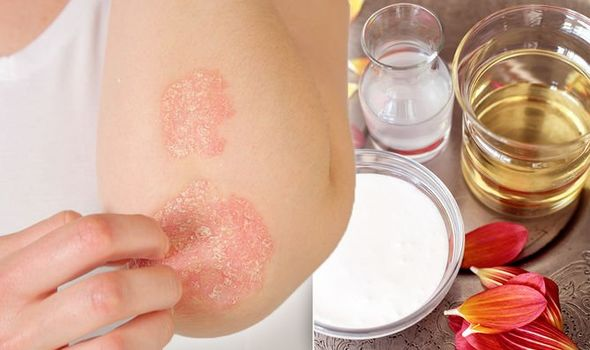
Living with eczema can be frustrating, especially if you have sensitive skin. Dryness, itching, redness, and irritation can make everyday activities uncomfortable. Even simple things like using a new soap, wearing certain fabrics, or changes in the weather can trigger a flare-up. The good news is that eczema can often be managed with the right skincare routine, lifestyle changes, and medical treatments.
- Introduction
- What Is Eczema?
- Why Is Sensitive Skin More Difficult to Treat?
- Common Symptoms of Eczema
- What Causes Eczema?
- Best Eczema Treatment for Sensitive Skin
- 2. Use Gentle Cleansers
- 3. Prescription Creams
- 4. Oral Medications
- 5. Biologic Treatments
- Lifestyle Tips for Sensitive Skin
- Foods That May Support Healthy Skin
- Common Eczema Triggers to Avoid
- Can Eczema Be Cured?
- When Should You See a Doctor?
- Tips for Daily Skin Care
- Conclusion
- Frequently Asked Questions (FAQs)
Finding the best eczema treatment for sensitive skin is not about using the strongest product. Instead, it is about choosing gentle, skin-friendly solutions that repair the skin barrier and reduce inflammation without causing additional irritation. Every person’s skin is different, so treatment may require some patience and consistency.
In this guide, you will learn what eczema is, why sensitive skin needs extra care, the best treatment options, and practical tips to keep your skin healthy and comfortable.
What Is Eczema?
Eczema, also known as atopic dermatitis, is a long-term skin condition that causes inflammation. It can affect people of all ages, but it is especially common in children. Many adults continue to experience eczema throughout their lives.
People with eczema have a weakened skin barrier. This allows moisture to escape while letting allergens, bacteria, and irritants enter the skin more easily. As a result, the skin becomes dry, itchy, and inflamed.
Eczema is not contagious, so you cannot catch it from someone else.
Why Is Sensitive Skin More Difficult to Treat?
Sensitive skin reacts more easily to products and environmental factors. Many skincare products contain fragrances, alcohol, dyes, or harsh preservatives that can make eczema worse.
People with sensitive skin may notice flare-ups after using:
- Strong soaps
- Scented lotions
- Laundry detergents
- Perfumes
- Makeup products
- Cleaning chemicals
- Rough clothing
Because of this, choosing gentle skincare products is one of the most important parts of eczema treatment.
Common Symptoms of Eczema
Eczema symptoms vary from person to person. Some people experience mild dryness, while others have severe itching and painful skin cracks.
Common symptoms include:
- Dry skin
- Red or dark patches
- Intense itching
- Rough skin texture
- Swelling
- Small fluid-filled bumps
- Thickened skin after repeated scratching
- Cracked or peeling skin
Symptoms often come and go. During flare-ups, the skin becomes more irritated and uncomfortable.
What Causes Eczema?
Doctors do not know the exact cause of eczema, but several factors increase the risk.
Common causes include:
- Family history of eczema, asthma, or allergies
- Weak skin barrier
- Dry weather
- Hot temperatures
- Stress
- Dust mites
- Pet dander
- Pollen
- Certain foods in some people
- Harsh skincare products
Understanding your personal triggers can help reduce future flare-ups.
Best Eczema Treatment for Sensitive Skin
The most effective treatment usually combines skincare, medication, and avoiding triggers.
1. Moisturize Every Day
Moisturizing is one of the most important treatments for eczema.
A good moisturizer helps:
- Lock in moisture
- Repair the skin barrier
- Reduce itching
- Prevent dryness
- Protect against irritants
Apply moisturizer immediately after bathing while the skin is still slightly damp.
Choose creams or ointments instead of lotions because they provide longer-lasting hydration.
Look for products that are:
- Fragrance-free
- Dye-free
- Alcohol-free
- Designed for sensitive skin
2. Use Gentle Cleansers
Avoid regular soaps that remove the skin’s natural oils.
Instead, choose mild, fragrance-free cleansers made for sensitive skin.
Wash with lukewarm water because hot water can dry out the skin and trigger itching.
Limit showers to about 10 minutes to help preserve moisture.
3. Prescription Creams
If moisturizers alone are not enough, your doctor may prescribe medicated creams.
Topical Corticosteroids
These creams reduce inflammation and itching during eczema flare-ups.
They should be used exactly as directed because long-term overuse may thin the skin.
Topical Calcineurin Inhibitors
These medications help reduce inflammation without causing skin thinning.
They are often recommended for sensitive areas such as the face, eyelids, and neck.
4. Oral Medications
For moderate or severe eczema, doctors may prescribe oral medications to reduce inflammation or control immune system activity.
These treatments are usually recommended when creams alone do not provide enough relief.
5. Biologic Treatments
Some people with severe eczema benefit from newer biologic medications that target the immune system.
These treatments are usually prescribed by dermatologists for people whose eczema does not improve with standard treatments.
Lifestyle Tips for Sensitive Skin
Healthy daily habits can reduce flare-ups and improve skin comfort.
Helpful tips include:
- Moisturize several times each day.
- Wear soft cotton clothing.
- Avoid wool and rough fabrics.
- Keep fingernails short to prevent skin damage from scratching.
- Drink enough water.
- Manage stress with exercise, meditation, or deep breathing.
- Sleep well every night.
- Use a humidifier during dry weather.
Small daily habits can make a big difference over time.
Foods That May Support Healthy Skin
Although diet does not cure eczema, nutritious foods support overall skin health.
Healthy foods include:
- Salmon
- Sardines
- Walnuts
- Flaxseeds
- Blueberries
- Spinach
- Sweet potatoes
- Carrots
- Avocados
- Oats
If you suspect certain foods trigger your eczema, speak with a healthcare professional before removing them from your diet.
Common Eczema Triggers to Avoid
Knowing your triggers helps prevent flare-ups.
Common triggers include:
- Scented skincare products
- Cigarette smoke
- Dust mites
- Pet hair
- Pollen
- Hot showers
- Dry air
- Stress
- Sweat
- Strong detergents
Keeping a diary of flare-ups can help identify personal triggers.
Can Eczema Be Cured?
There is currently no permanent cure for eczema.
However, many people successfully control their symptoms with proper treatment and consistent skincare.
By protecting the skin barrier and avoiding triggers, flare-ups often become less frequent and less severe.
Working closely with your healthcare provider helps you find the treatment plan that works best for your skin.
When Should You See a Doctor?
You should seek medical advice if:
- Your eczema becomes very painful.
- The skin starts leaking fluid or pus.
- You develop a fever.
- Home treatments are not helping.
- Your sleep is affected by severe itching.
- Large areas of skin become inflamed.
Early treatment can prevent infections and improve your quality of life.
Tips for Daily Skin Care
A simple daily routine can help protect sensitive skin.
Morning:
- Wash with a gentle cleanser.
- Apply moisturizer.
- Use sunscreen if spending time outdoors.
Evening:
- Take a short lukewarm shower.
- Pat the skin dry with a soft towel.
- Apply moisturizer immediately.
- Use prescribed medication if recommended by your doctor.
Consistency is more important than using many different products.
Conclusion
Living with eczema and sensitive skin can be challenging, but it is possible to manage symptoms with the right approach. The best eczema treatment for sensitive skin combines gentle skincare, regular moisturizing, avoiding triggers, and using medications when needed. Healthy lifestyle habits and a simple skincare routine can greatly reduce itching, dryness, and flare-ups.
If your symptoms become severe or do not improve with home care, consult a healthcare professional or dermatologist. With the right treatment plan, many people enjoy healthier, more comfortable skin and fewer eczema flare-ups.
Frequently Asked Questions (FAQs)
1. What is the best treatment for eczema on sensitive skin?
The best treatment usually includes daily use of fragrance-free moisturizers, gentle cleansers, avoiding triggers, and prescribed creams when necessary. A dermatologist can recommend the most suitable treatment based on the severity of your eczema.
2. Can eczema go away permanently?
There is no permanent cure for eczema, but many people manage their symptoms successfully through proper skincare, medication, and avoiding triggers. Some children may outgrow eczema, while adults often experience periods of improvement and flare-ups.
3. Which moisturizer is best for eczema?
Thick creams and ointments that are fragrance-free, dye-free, and designed for sensitive skin are generally the best choice. Applying moisturizer immediately after bathing helps lock in moisture.
4. What should I avoid if I have eczema?
Avoid scented soaps, harsh detergents, hot showers, rough fabrics like wool, cigarette smoke, and known personal triggers. Keeping your skin moisturized can also help reduce flare-ups.
5. Is eczema contagious?
No. Eczema is not contagious. You cannot spread it to other people through touching, sharing clothing, or close contact.