

Introduction
Many people think snoring is just an annoying sound that happens during sleep. While simple snoring is common, loud and frequent snoring can sometimes be a warning sign of a more serious condition called sleep apnea. Millions of people around the world struggle with snoring and sleep apnea without even knowing it. These conditions not only affect sleep quality but can also lead to serious health problems if left untreated.
- Introduction
- What Is Snoring?
- What Is Sleep Apnea?
- Common Causes of Snoring and Sleep Apnea
- Symptoms of Sleep Apnea
- Why Treatment Is Important
- Best Snoring and Sleep Apnea Treatment Options
- 1. Healthy Lifestyle Changes
- 2. Continuous Positive Airway Pressure (CPAP)
- 3. Oral Appliances
- 4. Surgery
- 5. Positional Therapy
- 6. Treating Nasal Congestion
- Home Remedies That May Help
- How Doctors Diagnose Sleep Apnea
- Tips for Better Sleep
- Living Well with Sleep Apnea
- Conclusion
- Frequently Asked Questions (FAQs)
The good news is that there are many effective options for snoring and sleep apnea treatment. From simple lifestyle changes to medical therapies and advanced treatments, there is a solution for almost everyone. Understanding the causes, symptoms, and available treatments can help you enjoy peaceful nights and improve your overall health.
In this article, you will learn everything you need to know about snoring and sleep apnea treatment in simple and easy-to-understand language.
What Is Snoring?
Snoring happens when the flow of air through your mouth and nose is partly blocked while you sleep. As air moves through narrowed airways, it causes the soft tissues in the throat to vibrate, creating the familiar snoring sound.
Not everyone who snores has sleep apnea. Some people snore occasionally because of allergies, a cold, sleeping on their back, or drinking alcohol before bedtime. However, loud and frequent snoring should not be ignored because it may be linked to sleep apnea.
What Is Sleep Apnea?
Sleep apnea is a sleep disorder that causes breathing to stop and start repeatedly during sleep. These breathing pauses may last for several seconds and can happen many times during the night.
When breathing stops, the brain briefly wakes the person to restart breathing. Most people do not remember these awakenings, but they interrupt normal sleep and prevent the body from getting enough rest.
There are three main types of sleep apnea:
Obstructive Sleep Apnea (OSA)
This is the most common type. It happens when the muscles in the throat relax too much, blocking the airway.
Central Sleep Apnea
This type occurs when the brain does not send proper signals to the muscles responsible for breathing.
Complex Sleep Apnea
This is a combination of obstructive and central sleep apnea.
Common Causes of Snoring and Sleep Apnea
Many factors can increase the risk of snoring and sleep apnea. Some common causes include:
- Being overweight or obese
- Sleeping on your back
- Drinking alcohol before bedtime
- Smoking
- Nasal congestion
- Enlarged tonsils
- Aging
- Family history
- Weak throat muscles
- A naturally narrow airway
Knowing the cause helps doctors recommend the most suitable treatment.
Symptoms of Sleep Apnea
Sleep apnea often develops slowly, so many people do not realize they have it. Some common symptoms include:
- Loud snoring
- Gasping for air during sleep
- Pauses in breathing
- Waking up with a dry mouth
- Morning headaches
- Feeling tired during the day
- Difficulty concentrating
- Irritability
- Poor memory
- Trouble staying asleep
If you notice these symptoms, especially if someone has observed your breathing stopping during sleep, you should speak with a healthcare professional.
Why Treatment Is Important
Ignoring sleep apnea can affect both your physical and mental health. Untreated sleep apnea may increase the risk of:
- High blood pressure
- Heart disease
- Stroke
- Type 2 diabetes
- Depression
- Poor work performance
- Road accidents caused by daytime sleepiness
Early treatment can reduce these risks and improve your quality of life.
Best Snoring and Sleep Apnea Treatment Options
There is no single treatment that works for everyone. Doctors choose the right option based on the severity of the condition.
1. Healthy Lifestyle Changes
Lifestyle improvements are often the first step.
These changes include:
- Losing excess weight
- Exercising regularly
- Avoiding alcohol before bed
- Quitting smoking
- Sleeping on your side
- Maintaining a regular sleep schedule
Even small changes can greatly reduce snoring in many people.
2. Continuous Positive Airway Pressure (CPAP)
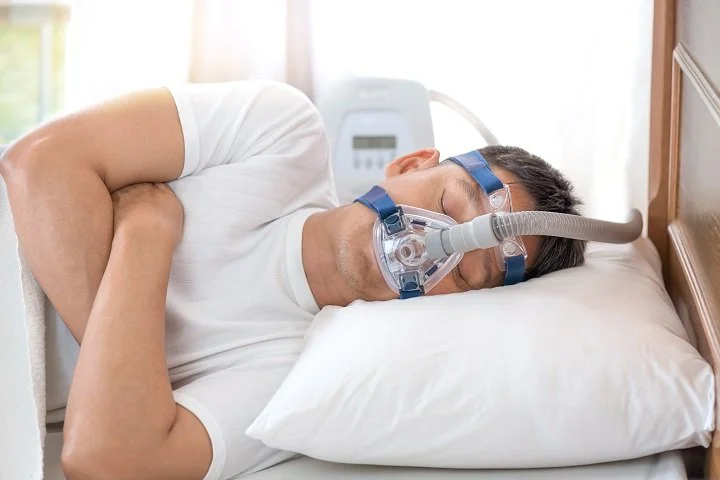
CPAP therapy is considered the most effective treatment for moderate to severe obstructive sleep apnea.
A CPAP machine gently pushes air through a mask worn during sleep. The steady airflow keeps the airway open and prevents breathing interruptions.
Although it may take time to get used to wearing the mask, many users notice significant improvements in sleep quality within a few weeks.
3. Oral Appliances
Some people prefer a dental device instead of a CPAP machine.
These custom-made mouthpieces move the lower jaw slightly forward, helping keep the airway open during sleep.
Oral appliances are often recommended for mild to moderate sleep apnea or for people who cannot tolerate CPAP therapy.
4. Surgery
Surgery may be recommended if other treatments do not work or if there is a physical blockage in the airway.
Common surgical procedures include:
- Removing enlarged tonsils
- Correcting a deviated nasal septum
- Reducing excess throat tissue
- Jaw surgery for severe cases
A doctor will carefully evaluate whether surgery is the best option.
5. Positional Therapy
Some people snore only when sleeping on their back.
Positional therapy encourages side sleeping through special pillows, wearable devices, or body positioning techniques.
This simple method may reduce snoring and mild sleep apnea.
6. Treating Nasal Congestion
Blocked nasal passages can make breathing more difficult.
Treatment may include:
- Saline nasal sprays
- Allergy medications
- Nasal strips
- Humidifiers
Improving nasal airflow can reduce snoring in many people.
Home Remedies That May Help
Although home remedies cannot cure sleep apnea, they may improve mild snoring.
Helpful habits include:
- Staying well hydrated
- Sleeping on your side
- Raising the head of your bed slightly
- Keeping your bedroom free of allergens
- Maintaining a healthy body weight
- Avoiding heavy meals before bedtime
These simple habits support better breathing during sleep.
How Doctors Diagnose Sleep Apnea
Doctors begin by asking about your symptoms and sleep habits.
They may recommend a sleep study, also called polysomnography. This test measures:
- Breathing
- Heart rate
- Oxygen levels
- Brain activity
- Body movements
- Sleep stages
Some people complete the test at a sleep center, while others may use a home sleep testing device.
The results help determine the severity of the condition and guide treatment decisions.
Tips for Better Sleep
Good sleep habits can improve overall sleep quality.
Some useful tips include:
- Go to bed at the same time every night.
- Keep your bedroom quiet and dark.
- Avoid caffeine late in the day.
- Limit screen time before bed.
- Exercise during the day.
- Relax before sleeping with reading or gentle stretching.
These habits support healthier sleep and may reduce snoring.
Living Well with Sleep Apnea
Receiving a diagnosis of sleep apnea may feel overwhelming at first, but many people successfully manage the condition. Following your treatment plan and attending regular medical checkups can make a big difference.
Many patients experience:
- Better sleep quality
- More daytime energy
- Improved mood
- Better concentration
- Lower blood pressure
- Reduced risk of serious health problems
The key is consistency. Using prescribed treatments every night provides the greatest long-term benefits.
Conclusion
Snoring is often harmless, but it can sometimes be a sign of sleep apnea, a condition that should never be ignored. Proper snoring and sleep apnea treatment can improve sleep quality, increase daytime energy, and protect your long-term health.
Whether treatment involves lifestyle changes, CPAP therapy, oral appliances, surgery, or a combination of methods, early diagnosis is the first step toward healthier sleep. If you or someone you know snores loudly, stops breathing during sleep, or feels tired every day despite getting enough sleep, it is important to seek medical advice.
Better sleep leads to better health, improved mood, and a higher quality of life. Taking action today can help you enjoy peaceful nights and healthier days for years to come.
Frequently Asked Questions (FAQs)
1. Can snoring always mean sleep apnea?
No. Many people snore without having sleep apnea. However, loud, frequent snoring combined with breathing pauses or daytime tiredness should be evaluated by a healthcare professional.
2. What is the best treatment for sleep apnea?
The best treatment depends on the severity of the condition. Mild cases may improve with lifestyle changes or oral appliances, while moderate to severe cases are often treated with CPAP therapy.
3. Can losing weight reduce sleep apnea?
Yes. For people who are overweight, losing weight can reduce pressure on the airway and may significantly improve or even reduce symptoms of obstructive sleep apnea.
4. Is sleep apnea a serious condition?
Yes. If left untreated, sleep apnea can increase the risk of heart disease, stroke, high blood pressure, diabetes, and other health problems. Early diagnosis and treatment are important.
5. Can children have sleep apnea?
Yes. Children can develop sleep apnea, often due to enlarged tonsils, obesity, or certain medical conditions. Symptoms may include loud snoring, restless sleep, mouth breathing, and difficulty concentrating during the day.