

High blood pressure, also called hypertension, is one of the most common health problems in the world. Many people have high blood pressure without knowing it because it usually does not show any clear symptoms. If it is not controlled, it can increase the risk of heart disease, stroke, kidney disease, and other serious health conditions.
- What Is High Blood Pressure?
- Why Choose Natural Treatment?
- 1. Eat a Heart-Healthy Diet
- 2. Reduce Salt Intake
- 3. Exercise Regularly
- 4. Maintain a Healthy Weight
- 5. Manage Stress
- 6. Sleep Well
- 7. Limit Alcohol and Avoid Smoking
- 8. Drink Enough Water
- 9. Add Natural Foods That Support Healthy Blood Pressure
- 10. Monitor Your Blood Pressure
- Can Natural Treatment Replace Medicine?
Many people search online for the best treatment for high blood pressure naturallys because they want safe and healthy ways to improve their blood pressure without depending only on medicine. While medications are necessary for some people, natural lifestyle changes can play a very important role in lowering blood pressure and improving overall health.
In this article, you will learn easy, natural, and practical methods to help control high blood pressure.
What Is High Blood Pressure?
Blood pressure is the force of blood pushing against the walls of your arteries. It is measured using two numbers:
- Systolic pressure (the top number) measures pressure when the heart beats.
- Diastolic pressure (the bottom number) measures pressure when the heart rests between beats.
A normal blood pressure is generally around 120/80 mmHg. When blood pressure stays above normal for a long time, it is called hypertension.
High blood pressure often develops slowly over many years. This is why regular health checkups are important.
Why Choose Natural Treatment?
Natural treatment does not mean replacing prescribed medicine without a doctor’s advice. Instead, it means making healthy lifestyle changes that help lower blood pressure naturally.
Benefits of natural treatment include:
- Better heart health
- Improved energy levels
- Healthy body weight
- Lower risk of stroke
- Better kidney function
- Improved overall wellness
Even small lifestyle improvements can make a noticeable difference.
1. Eat a Heart-Healthy Diet
Your diet has one of the biggest effects on blood pressure.
Focus on eating:
- Fresh fruits
- Green vegetables
- Whole grains
- Beans
- Nuts
- Seeds
- Low-fat dairy products
- Lean protein like fish and chicken
Foods rich in potassium help balance sodium levels in the body. Bananas, oranges, spinach, sweet potatoes, and avocados are excellent choices.
Try to avoid:
- Processed foods
- Fast food
- Sugary drinks
- Fried foods
- Foods high in saturated fat
A healthy diet provides the nutrients your heart needs to function properly.
2. Reduce Salt Intake
Too much salt causes the body to hold extra water. This increases pressure inside blood vessels.
Experts recommend reducing sodium by:
- Reading food labels
- Cooking meals at home
- Using herbs instead of salt
- Avoiding canned and packaged foods
Even reducing a small amount of salt every day can improve blood pressure over time.
3. Exercise Regularly
Physical activity helps strengthen the heart. A stronger heart pumps blood more efficiently, reducing pressure on the arteries.
Good exercises include:
- Walking
- Cycling
- Swimming
- Light jogging
- Dancing
- Yoga
Aim for at least 30 minutes of moderate exercise most days of the week.
You do not need intense workouts. Even a daily walk can make a significant difference.
4. Maintain a Healthy Weight
Extra body weight forces the heart to work harder.
Losing even 5 to 10 percent of your body weight can help lower blood pressure naturally.
Healthy weight loss comes from:
- Eating balanced meals
- Exercising regularly
- Drinking enough water
- Sleeping well
Avoid crash diets because they are difficult to maintain and may not provide long-term benefits.
5. Manage Stress
Stress can temporarily raise blood pressure. Long-term stress may also lead to unhealthy habits like overeating or smoking.
Healthy ways to reduce stress include:
- Deep breathing exercises
- Meditation
- Prayer
- Listening to relaxing music
- Spending time with family
- Reading books
- Walking in nature
Taking just 10 to 15 minutes each day to relax can support better heart health.
6. Sleep Well
Poor sleep affects many parts of your body, including blood pressure.
Adults should aim for 7 to 9 hours of quality sleep each night.
Improve your sleep by:
- Going to bed at the same time every night
- Avoiding screens before bedtime
- Keeping your bedroom cool and quiet
- Limiting caffeine late in the day
Good sleep allows your body to repair itself and regulate blood pressure naturally.
7. Limit Alcohol and Avoid Smoking
Smoking damages blood vessels almost immediately. It also increases the risk of heart attacks and strokes.
Alcohol can also raise blood pressure when consumed in large amounts.
If you smoke, quitting is one of the best decisions for your heart.
Reducing alcohol intake can also improve blood pressure within weeks.
8. Drink Enough Water
Water helps your body function properly.
When you are dehydrated, your heart must work harder to pump blood throughout the body.
Aim to drink enough water every day, especially during hot weather or after exercise.
Avoid replacing water with sugary drinks or excessive energy drinks.
9. Add Natural Foods That Support Healthy Blood Pressure
Certain foods may help support healthy blood pressure as part of a balanced diet.
These include:
- Garlic
- Beetroot
- Oats
- Flaxseeds
- Berries
- Leafy green vegetables
- Olive oil
These foods contain nutrients that support healthy blood vessels and heart function.
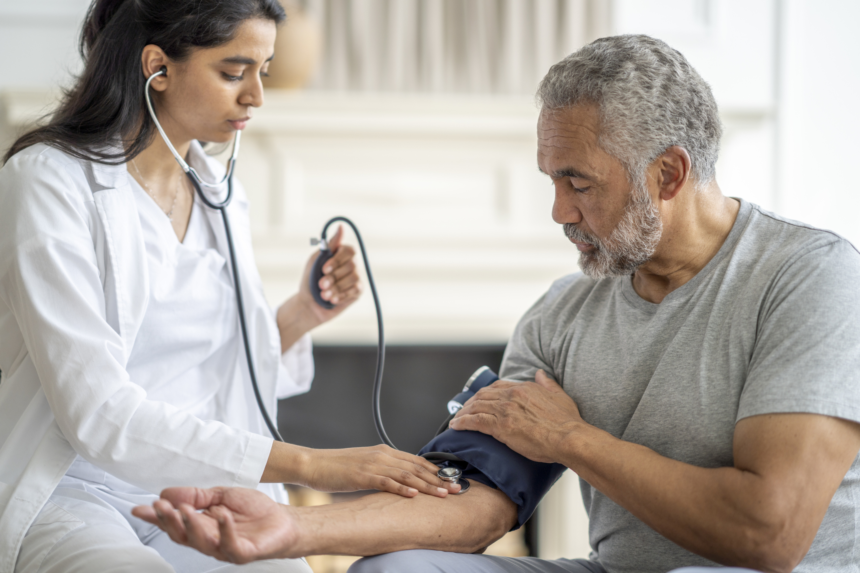
10. Monitor Your Blood Pressure
Checking your blood pressure regularly helps you understand whether your healthy habits are working.
Many pharmacies and clinics provide blood pressure checks, and home monitors are also available.
Keep a record of your readings and discuss them with your healthcare provider during regular visits.
Can Natural Treatment Replace Medicine?
Natural lifestyle changes are very effective, especially for people with mildly elevated blood pressure. However, some people need medication to keep their blood pressure under control.
Never stop taking prescribed medicine without speaking to your doctor.
The best results usually come from combining healthy habits with medical advice.