


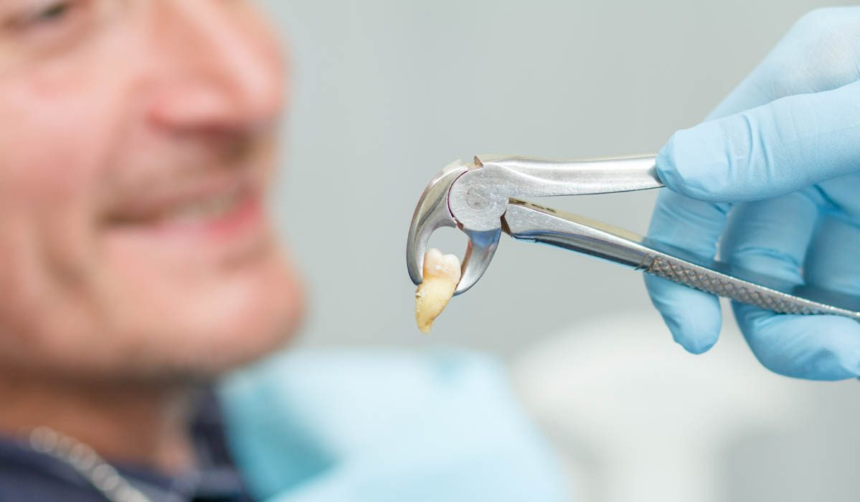
Wisdom teeth are the last set of teeth to grow in the mouth. They usually appear between the ages of 17 and 25. For some people, these teeth grow normally and do not cause any problems. However, many people experience pain, swelling, or discomfort when their wisdom teeth begin to come in. In these situations, the dentist may recommend removing the tooth.
- Step 1: Examination
- Step 2: Local Anesthesia
- Step 3: Loosening the Tooth
- Step 4: Removing the Tooth
- Step 5: Cleaning the Area
- Step 6: Gauze Placement
- Faster Procedure
- Less Pain
- Faster Healing
- Lower Risk of Complications
- Lower Cost
- During the First 24 Hours
- After One Day
- Foods to Eat
- 1. Can a wisdom tooth be removed without surgery?
- 2. Is non-surgical wisdom tooth extraction painful?
- 3. How long does it take to recover from a simple wisdom tooth extraction?
- 4. What foods should I eat after a wisdom tooth extraction?
- 5. How do I know if I need surgery instead of a simple extraction?
Many people become nervous when they hear the words “wisdom tooth extraction.” They immediately think about surgery, stitches, and a long recovery period. The good news is that not every wisdom tooth needs surgical removal. In many cases, wisdom tooth extraction without surgery is possible if the tooth has fully erupted and is easy to reach.
This article explains everything you need to know about non-surgical wisdom tooth extraction, including when it is possible, how the procedure works, its benefits, recovery tips, and answers to common questions.
What Is Wisdom Tooth Extraction Without Surgery?
Wisdom tooth extraction without surgery is a simple dental procedure where the dentist removes a wisdom tooth without cutting the gums or removing bone. It is also called a simple tooth extraction.
This type of extraction is only possible when the wisdom tooth has completely emerged through the gum and can be easily seen and accessed.
Unlike surgical extraction, there is no need for incisions, stitches, or bone removal.
When Is a Non-Surgical Wisdom Tooth Extraction Possible?
Not every wisdom tooth requires surgery. Your dentist will examine your mouth and take X-rays before deciding the best treatment.
A simple extraction may be possible if:
- The wisdom tooth has fully erupted.
- The tooth is straight.
- The roots are not unusually curved.
- There is enough space around the tooth.
- The tooth is loose because of gum disease.
- There are no major complications.
If the tooth is trapped beneath the gums or growing sideways, surgery is usually necessary.
Difference Between Surgical and Non-Surgical Wisdom Tooth Extraction
Understanding the difference between these two procedures can help reduce anxiety.
| Non-Surgical Extraction | Surgical Extraction |
|---|---|
| Tooth is fully visible | Tooth is partially or completely hidden |
| No cutting of gums | Gum incision is required |
| No bone removal | Bone may need to be removed |
| Faster recovery | Longer healing period |
| Usually completed quickly | More complex procedure |
| Less swelling | More swelling is common |
Why Wisdom Teeth Need to Be Removed
Not every wisdom tooth causes problems. However, removal may be necessary if the tooth causes:
- Tooth pain
- Gum infection
- Tooth decay
- Damage to nearby teeth
- Difficulty cleaning
- Food getting trapped
- Swollen gums
- Bad breath
- Repeated infections
Sometimes dentists also recommend removing wisdom teeth before orthodontic treatment.
Signs You May Need Wisdom Tooth Extraction
Some common symptoms include:
- Pain at the back of the mouth
- Swollen gums
- Difficulty chewing
- Jaw stiffness
- Red or bleeding gums
- Bad taste in the mouth
- Persistent bad breath
- Headaches caused by pressure
If you notice these signs, visit your dentist as soon as possible.
How Dentists Decide If Surgery Is Needed
Before removing a wisdom tooth, the dentist performs a detailed examination.
This usually includes:
- Checking the tooth visually
- Taking dental X-rays
- Examining nearby teeth
- Looking at the roots
- Checking the jawbone
- Assessing gum health
If the tooth is fully exposed and easily accessible, a simple extraction is often the best option.
How a Non-Surgical Wisdom Tooth Extraction Is Performed
Many patients are surprised at how quick and comfortable this procedure can be.
Step 1: Examination
The dentist first checks your mouth and reviews the X-rays.
Step 2: Local Anesthesia
A local anesthetic is injected around the tooth to numb the area. You stay awake but should not feel pain.
Step 3: Loosening the Tooth
The dentist uses a special dental instrument called an elevator to gently loosen the tooth.
Step 4: Removing the Tooth
Forceps are then used to carefully lift the tooth out of its socket.
Step 5: Cleaning the Area
The empty socket is cleaned to remove any debris.
Step 6: Gauze Placement
A piece of gauze is placed over the area to help stop the bleeding.
The entire procedure often takes between 15 and 30 minutes.
Does Non-Surgical Wisdom Tooth Extraction Hurt?
This is one of the most common questions people ask.
The answer is usually no.
Because the area is completely numb, you should only feel pressure during the extraction, not pain.
After the anesthesia wears off, mild discomfort is normal for a day or two. Most people manage it with pain medication recommended by their dentist.
Benefits of Wisdom Tooth Extraction Without Surgery
A simple extraction offers several advantages.
Faster Procedure
Most extractions are completed within half an hour.
Less Pain
Since there are no incisions, recovery is generally more comfortable.
Faster Healing
The gums usually recover more quickly than after surgery.
Lower Risk of Complications
Simple extractions often have fewer complications than surgical procedures.
Lower Cost
Non-surgical extractions are generally less expensive because they require fewer steps and less time.
Recovery After a Simple Wisdom Tooth Extraction
Healing usually happens quickly when you follow your dentist’s instructions.
During the First 24 Hours
- Bite gently on the gauze.
- Rest as much as possible.
- Avoid smoking.
- Do not use a straw.
- Avoid spitting forcefully.
- Eat soft foods.
After One Day
You can usually begin rinsing gently with warm salt water several times a day.
Foods to Eat
Good food choices include:
- Yogurt
- Mashed potatoes
- Soup
- Smoothies eaten with a spoon
- Applesauce
- Scrambled eggs
- Oatmeal
Avoid hot foods until the numbness has completely worn off.
Foods to Avoid
For a few days, avoid:
- Hard foods
- Sticky candy
- Nuts
- Chips
- Popcorn
- Spicy meals
- Crunchy vegetables
These foods may irritate the extraction site.
How Long Does Healing Take?
Every person heals differently.
Most people experience:
- Bleeding stops within a few hours.
- Swelling is usually mild.
- Pain improves within two to three days.
- Gums begin healing within one week.
- Complete healing may take several weeks.
Possible Risks
Although simple extractions are very safe, there are still some possible complications.
These include:
- Dry socket
- Infection
- Minor bleeding
- Temporary swelling
- Mild jaw stiffness
Following your dentist’s aftercare instructions greatly reduces these risks.
Tips for Faster Recovery
You can speed up healing by:
- Drinking plenty of water
- Getting enough sleep
- Taking prescribed medication
- Keeping your mouth clean
- Eating soft foods
- Avoiding smoking
- Avoiding alcohol
- Brushing gently around the area
Good oral hygiene helps prevent infection.
Can Everyone Have a Non-Surgical Wisdom Tooth Extraction?
No.
Some wisdom teeth are impacted, meaning they remain trapped beneath the gums or jawbone. Others grow at unusual angles or press against neighboring teeth.
In these cases, surgery is usually the safest option.
Only a dental examination and X-rays can determine whether a simple extraction is possible.
When Should You Contact Your Dentist?
Call your dentist immediately if you experience:
- Heavy bleeding that does not stop
- Severe pain after several days
- Fever
- Pus around the extraction site
- Difficulty swallowing
- Increasing swelling
- Bad smell with severe pain
These symptoms may indicate an infection or another complication that requires prompt treatment.
Final Thoughts
Wisdom tooth extraction without surgery is a safe, quick, and effective option for people whose wisdom teeth have fully erupted and are easy to remove. Compared with surgical extraction, it usually involves less discomfort, a shorter appointment, and a faster recovery.
The most important step is to visit a qualified dentist for an examination and X-rays. They can determine whether your wisdom tooth can be removed with a simple extraction or if surgery is necessary. Following your dentist’s aftercare instructions, eating soft foods, and maintaining good oral hygiene will help you recover smoothly and reduce the risk of complications.
While the idea of having a wisdom tooth removed can seem intimidating, many patients are pleasantly surprised by how straightforward a non-surgical extraction can be. With proper care, most people return to their normal routine within a few days and enjoy lasting relief from pain and discomfort.
Frequently Asked Questions (FAQs)
1. Can a wisdom tooth be removed without surgery?
Yes. If the wisdom tooth has fully erupted, is easy to access, and is not impacted, a dentist can often remove it with a simple, non-surgical extraction.
2. Is non-surgical wisdom tooth extraction painful?
No. The dentist uses local anesthesia to numb the area, so you should only feel pressure during the procedure. Mild soreness afterward is normal and usually improves within a few days.
3. How long does it take to recover from a simple wisdom tooth extraction?
Most people feel much better within 2–3 days, and the gum typically heals within 1–2 weeks. Complete healing of the socket may take several weeks.
4. What foods should I eat after a wisdom tooth extraction?
Choose soft foods such as yogurt, mashed potatoes, soup, oatmeal, applesauce, scrambled eggs, and smoothies eaten with a spoon. Avoid hard, crunchy, or spicy foods until the area has healed.
5. How do I know if I need surgery instead of a simple extraction?
Your dentist will examine your mouth and take X-rays. If the wisdom tooth is impacted, growing sideways, or trapped beneath the gums or bone, surgical extraction is usually recommended.