


Introduction
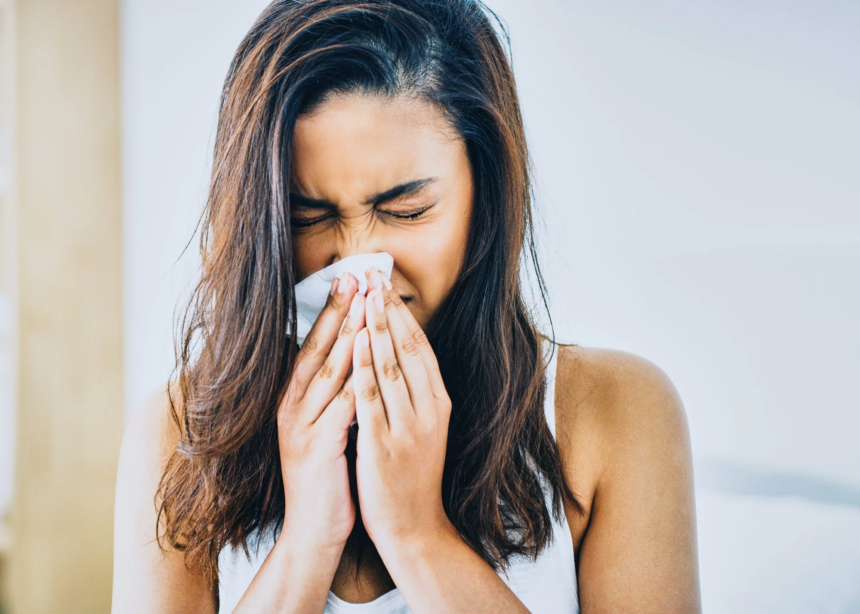
Seasonal allergies can make even the most beautiful time of the year feel uncomfortable. While flowers bloom and trees become greener, many adults begin dealing with sneezing, itchy eyes, a runny nose, and constant congestion. These symptoms can affect work, sleep, outdoor activities, and overall quality of life.
- Introduction
- What Are Seasonal Allergies?
- Common Symptoms of Seasonal Allergies
- What Causes Seasonal Allergies?
- Best Seasonal Allergy Treatment for Adults
- 1. Antihistamines
- 2. Nasal Corticosteroid Sprays
- 3. Decongestants
- 4. Allergy Eye Drops
- 5. Allergy Immunotherapy
- Natural Ways to Reduce Seasonal Allergy Symptoms
- Foods That May Support Allergy Health
- Tips to Prevent Seasonal Allergies
- When Should You See a Doctor?
- Living Comfortably with Seasonal Allergies
- Conclusion
- Frequently Asked Questions (FAQs)
Seasonal allergies, also called hay fever or seasonal allergic rhinitis, happen when the body’s immune system overreacts to allergens such as pollen from trees, grasses, and weeds. Although these allergies are common, they can be frustrating if they are not managed properly.
The good news is that there are many effective ways to reduce symptoms without letting allergies control your daily life. From medications and home remedies to lifestyle changes and prevention tips, adults have several treatment options available.
In this guide, you will learn about the best seasonal allergy treatment for adults, the causes of seasonal allergies, common symptoms, and practical tips to help you enjoy every season with fewer allergy problems.
What Are Seasonal Allergies?
Seasonal allergies occur when your immune system mistakes harmless substances like pollen for dangerous germs. As a result, the body releases chemicals such as histamine, which cause allergy symptoms.
Unlike year-round allergies that are triggered by dust mites or pet dander, seasonal allergies appear only during certain times of the year.
Different plants release pollen during different seasons.
- Spring allergies are often caused by tree pollen.
- Summer allergies usually come from grass pollen.
- Fall allergies are commonly linked to weed pollen, especially ragweed.
The severity of symptoms depends on pollen levels, weather conditions, and individual sensitivity.
Common Symptoms of Seasonal Allergies
Seasonal allergies can affect the nose, eyes, throat, and even the ears.
Common symptoms include:
- Frequent sneezing
- Runny nose
- Stuffy or blocked nose
- Itchy nose
- Itchy or watery eyes
- Red eyes
- Scratchy throat
- Cough caused by postnasal drip
- Pressure around the sinuses
- Fatigue
- Reduced sense of smell
Some adults may also experience headaches or difficulty sleeping because of ongoing nasal congestion.
What Causes Seasonal Allergies?
The main cause of seasonal allergies is pollen.
Trees, grasses, and weeds release tiny pollen particles into the air. When these particles enter the nose or eyes, the immune system reacts by producing antibodies. These antibodies trigger the release of histamine and other chemicals that cause allergy symptoms.
Several factors increase the risk of developing seasonal allergies, including:
- Family history of allergies
- Asthma
- Living in areas with high pollen counts
- Exposure to cigarette smoke
- Air pollution
- Having eczema or other allergic conditions
Best Seasonal Allergy Treatment for Adults
The right treatment depends on how severe your symptoms are and how often they occur. Many adults achieve excellent relief by combining medication with simple lifestyle changes.
1. Antihistamines
Antihistamines are one of the most common treatments for seasonal allergies.
They work by blocking histamine, the chemical responsible for many allergy symptoms.
They help reduce:
- Sneezing
- Itchy eyes
- Runny nose
- Itchy throat
Many newer antihistamines cause less drowsiness than older versions, making them suitable for daytime use.
2. Nasal Corticosteroid Sprays
Nasal steroid sprays are considered one of the most effective treatments for moderate to severe seasonal allergies.
These sprays reduce inflammation inside the nose, helping relieve:
- Nasal congestion
- Sneezing
- Runny nose
- Itching
For the best results, they should be used regularly during allergy season rather than only when symptoms become severe.
3. Decongestants
Decongestants help reduce swelling inside the nasal passages, making breathing easier.
They are useful for short-term relief but should not be used for long periods without medical advice, especially nasal decongestant sprays, which can cause rebound congestion if overused.
Adults with high blood pressure or heart disease should consult a healthcare provider before using decongestants.
4. Allergy Eye Drops
If itchy, watery, or red eyes are your main problem, allergy eye drops can provide quick relief.
Some eye drops contain antihistamines, while others help stabilize the cells that release allergy-causing chemicals.
Using lubricating eye drops may also help wash pollen out of the eyes.
5. Allergy Immunotherapy
Adults with severe or long-lasting allergies may benefit from allergy immunotherapy.
This treatment gradually exposes the body to small amounts of allergens over time, helping the immune system become less sensitive.
Immunotherapy may be given as allergy shots or under-the-tongue tablets, depending on the allergen and your doctor’s recommendation.
Although it requires patience, many people experience long-term improvement.
Natural Ways to Reduce Seasonal Allergy Symptoms
Natural methods cannot cure allergies, but they can reduce exposure to allergens and make symptoms easier to manage.
Helpful strategies include:
- Keep windows closed during high pollen days.
- Shower after spending time outdoors.
- Wash your hair before bed.
- Change clothes after coming inside.
- Use air conditioning instead of opening windows.
- Clean your home regularly.
- Vacuum with a HEPA filter.
- Drink plenty of water.
- Use saline nasal rinses to remove pollen from the nose.
These simple habits can make a noticeable difference during allergy season.
Foods That May Support Allergy Health
A healthy diet supports your immune system and may help reduce inflammation.
Foods that may be beneficial include:
- Citrus fruits rich in vitamin C
- Berries
- Leafy green vegetables
- Tomatoes
- Carrots
- Apples
- Yogurt with probiotics
- Fatty fish like salmon
- Ginger
- Turmeric
Foods that may worsen inflammation include heavily processed foods, sugary snacks, and excessive alcohol.
Tips to Prevent Seasonal Allergies
Prevention is often the best treatment.
Here are some easy ways to lower pollen exposure:
- Check daily pollen forecasts.
- Stay indoors when pollen counts are very high.
- Wear sunglasses outdoors to protect your eyes.
- Wear a mask when mowing the lawn or gardening.
- Dry clothes indoors instead of outside.
- Keep pets clean if they spend time outdoors.
- Use an air purifier if recommended.
Reducing exposure can significantly lessen allergy symptoms.
When Should You See a Doctor?
Many adults manage seasonal allergies successfully at home, but medical advice is important if:
- Symptoms last for several weeks.
- Over-the-counter medications do not help.
- You have difficulty breathing.
- Allergy symptoms trigger asthma attacks.
- You develop frequent sinus infections.
- Your daily activities or sleep are affected.
A healthcare provider can recommend stronger treatments or perform allergy testing to identify your specific triggers.
Living Comfortably with Seasonal Allergies
Although seasonal allergies cannot always be prevented, they can usually be controlled.
Following your treatment plan, avoiding pollen exposure, eating a healthy diet, and using medications correctly can greatly improve your comfort during allergy season.
Remember that each person’s allergies are different. Finding the best combination of treatments may take some time, but many adults enjoy significant relief once they discover what works for them.
Conclusion
Seasonal allergies are one of the most common health concerns among adults, but they do not have to interfere with everyday life. The best seasonal allergy treatment for adults often includes a combination of antihistamines, nasal sprays, eye drops, healthy lifestyle habits, and avoiding allergy triggers. Adults with severe allergies may also benefit from immunotherapy for long-term symptom relief.
If your symptoms become severe or do not improve with treatment, consult a healthcare professional for a personalized care plan. With the right approach, you can breathe easier and enjoy every season with greater comfort.
Frequently Asked Questions (FAQs)
1. What is the best seasonal allergy treatment for adults?
The best treatment depends on the severity of symptoms. Many adults find relief with antihistamines, nasal corticosteroid sprays, allergy eye drops, and by reducing exposure to pollen. For persistent allergies, a doctor may recommend immunotherapy.
2. How long do seasonal allergies last?
Seasonal allergies usually last as long as the pollen from the triggering plants is present. Depending on the allergen, symptoms can continue for several weeks or even months.
3. Can seasonal allergies develop later in adulthood?
Yes. Some adults develop seasonal allergies even if they never had them as children. Changes in the immune system and environmental exposure can contribute to new allergies.
4. Are home remedies enough to treat seasonal allergies?
Home remedies such as saline nasal rinses, avoiding pollen, and using air conditioning can help reduce symptoms. However, many adults also benefit from medications, especially during periods of high pollen counts.
5. When should I seek medical help for seasonal allergies?
You should see a doctor if your symptoms are severe, interfere with sleep or daily activities, do not improve with over-the-counter treatments, or are accompanied by breathing problems or frequent sinus infections.