


Introduction
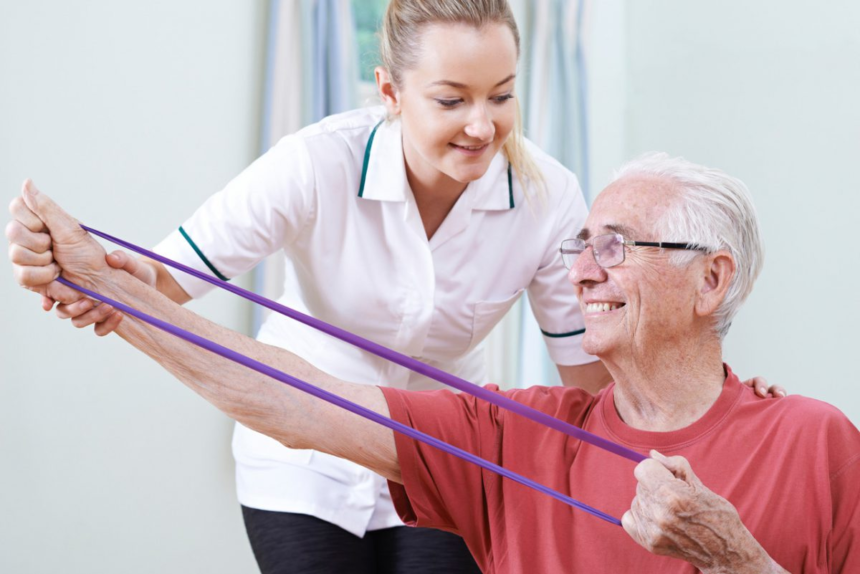
As people grow older, their bodies naturally change. Muscles become weaker, bones lose strength, and balance may not be as steady as before. Many older adults also recover more slowly after illnesses, surgeries, or injuries. These changes can make daily activities like walking, climbing stairs, dressing, or cooking more difficult. Thankfully, rehabilitation services for older adults help seniors regain their strength, improve their mobility, and continue living as independently as possible.
- Introduction
- Stroke Recovery
- Hip or Knee Replacement Surgery
- Broken Bones
- Heart Problems
- Arthritis
- Parkinson’s Disease
- Chronic Pain
- Physical Therapy
- Occupational Therapy
- Speech Therapy
- Cardiac Rehabilitation
- Pulmonary Rehabilitation
- Better Mobility
- Reduced Pain
- Improved Balance
- Greater Independence
- Faster Recovery
- Better Mental Health
- Higher Quality of Life
- 1. What are rehabilitation services for older adults?
- 2. Who can benefit from rehabilitation services?
- 3. How long does rehabilitation take?
- 4. Can rehabilitation services be provided at home?
- 5. Why is rehabilitation important for seniors?
Rehabilitation is not only about recovering after an accident. It is also about helping older adults stay active, healthy, and confident. Whether someone is recovering from a stroke, hip replacement, heart surgery, or simply dealing with age-related weakness, rehabilitation services provide the care and support they need.
In this article, we will explain rehabilitation services for older adults in simple words, discuss their benefits, explore different types of rehabilitation, and answer common questions.
What Are Rehabilitation Services for Older Adults?
Rehabilitation services for older adults are healthcare programs designed to help seniors improve or restore their physical, mental, and emotional abilities after an illness, injury, or surgery. The main goal is to help older people perform everyday tasks safely and independently.
These services are provided by trained healthcare professionals such as:
- Physical therapists
- Occupational therapists
- Speech therapists
- Rehabilitation nurses
- Doctors
- Social workers
- Psychologists
Each patient receives a treatment plan based on their personal health condition, abilities, and recovery goals.
Why Are Rehabilitation Services Important?
As people age, recovering from health problems often takes more time. Without proper rehabilitation, older adults may lose strength, balance, and confidence. This can increase the risk of falls, disability, and dependence on others.
Rehabilitation helps seniors:
- Improve muscle strength
- Increase flexibility
- Reduce pain
- Improve balance
- Restore movement
- Prevent falls
- Build confidence
- Improve mental well-being
- Return to daily activities
- Maintain independence
Instead of depending completely on family members, many seniors can continue enjoying their daily routines with proper rehabilitation.
Who Needs Rehabilitation Services?
Many older adults benefit from rehabilitation, especially after experiencing certain health conditions.
Common reasons include:
Stroke Recovery
A stroke can affect movement, speech, balance, and memory. Rehabilitation helps patients regain these important skills.
Hip or Knee Replacement Surgery
After joint replacement surgery, rehabilitation helps strengthen muscles and improve walking ability.
Broken Bones
Falls often lead to fractures in older adults. Rehabilitation supports safe recovery and restores movement.
Heart Problems
People recovering from heart attacks or heart surgery often need cardiac rehabilitation to safely improve their fitness.
Arthritis
Arthritis causes joint pain and stiffness. Rehabilitation exercises help reduce discomfort and improve flexibility.
Parkinson’s Disease
People with Parkinson’s disease may struggle with balance and movement. Therapy helps improve mobility and reduce fall risks.
Chronic Pain
Long-term back pain, neck pain, or joint pain can be managed through personalized rehabilitation programs.
Types of Rehabilitation Services for Older Adults
There are different types of rehabilitation depending on the patient’s needs.
Physical Therapy
Physical therapy focuses on improving movement and strength.
A physical therapist teaches exercises that help seniors:
- Walk safely
- Improve balance
- Strengthen muscles
- Increase flexibility
- Reduce pain
- Prevent falls
Many older adults use walkers or canes during therapy until they regain confidence.
Occupational Therapy
Occupational therapy helps seniors perform everyday activities more easily.
These activities include:
- Bathing
- Dressing
- Cooking
- Eating
- Writing
- Using the bathroom
Occupational therapists also recommend home modifications such as grab bars, handrails, and non-slip mats to improve safety.
Speech Therapy
Some older adults have difficulty speaking or swallowing after a stroke or neurological condition.
Speech therapists help patients:
- Speak clearly
- Improve communication
- Strengthen swallowing muscles
- Prevent choking
- Improve memory and thinking skills
Cardiac Rehabilitation
Cardiac rehabilitation is designed for seniors recovering from heart disease or heart surgery.
It usually includes:
- Safe exercise programs
- Healthy eating advice
- Blood pressure monitoring
- Stress management
- Lifestyle education
This program helps reduce the risk of future heart problems.
Pulmonary Rehabilitation
Older adults with lung diseases such as COPD or chronic breathing problems benefit from pulmonary rehabilitation.
The program teaches:
- Breathing exercises
- Safe physical activity
- Energy-saving techniques
- Healthy lifestyle habits
Patients often experience better breathing and improved daily functioning.
Where Can Older Adults Receive Rehabilitation?
Rehabilitation services are available in several locations.
Hospitals
Patients often begin rehabilitation immediately after surgery or illness while staying in the hospital.
Rehabilitation Centers
These facilities provide specialized therapy equipment and experienced rehabilitation teams.
Nursing Homes
Residents may receive regular therapy without leaving the facility.
Home Rehabilitation
Many therapists visit patients at home. This is especially helpful for seniors who have difficulty traveling.
Outpatient Clinics
Patients who can travel independently attend scheduled therapy sessions while living at home.
Benefits of Rehabilitation Services
Rehabilitation offers many physical and emotional benefits.
Better Mobility
Patients become stronger and move more confidently.
Reduced Pain
Therapy exercises often reduce joint and muscle pain without relying only on medication.
Improved Balance
Balance training helps lower the risk of dangerous falls.
Greater Independence
Older adults can perform everyday tasks without needing constant assistance.
Faster Recovery
Following surgery or illness, rehabilitation speeds up healing and helps patients return to normal life sooner.
Better Mental Health
Recovery programs often improve mood, reduce anxiety, and increase confidence.
Higher Quality of Life
Many seniors enjoy hobbies, social activities, and family time again after successful rehabilitation.
Family Support During Rehabilitation
Family members play an important role in recovery.
They can help by:
- Encouraging regular exercise
- Attending therapy appointments
- Creating a safe home environment
- Offering emotional support
- Helping with medications
- Celebrating progress
Positive encouragement often motivates seniors to continue working toward recovery.
Tips for Successful Rehabilitation
Older adults can improve their results by following a few simple tips.
Stay Consistent
Attend every therapy session and follow the therapist’s instructions.
Exercise Regularly
Practice home exercises every day if recommended.
Eat Healthy Foods
Good nutrition supports muscle recovery and overall health.
Drink Enough Water
Hydration keeps the body functioning properly during recovery.
Get Enough Sleep
The body heals faster with quality rest.
Stay Positive
Recovery takes time. Small improvements each week are signs of progress.
Common Challenges During Rehabilitation
Recovery is not always easy. Some seniors may experience:
- Pain during exercise
- Fear of falling
- Low motivation
- Slow progress
- Emotional stress
Healthcare providers adjust treatment plans according to each patient’s comfort level. Family encouragement and patience make a significant difference during this journey.
Technology in Rehabilitation
Modern rehabilitation now includes technology that makes recovery more effective.
Examples include:
- Virtual exercise programs
- Balance training equipment
- Robotic walking devices
- Mobile health apps
- Video therapy sessions
- Wearable fitness trackers
These tools help therapists monitor progress and keep patients motivated.
Preventing Future Health Problems
Rehabilitation is not only about recovery. It also helps prevent future health issues.
Therapists teach seniors how to:
- Exercise safely
- Improve posture
- Maintain healthy weight
- Prevent falls
- Protect their joints
- Stay physically active
Healthy habits developed during rehabilitation often continue for years.
Conclusion
Rehabilitation services for older adults are an important part of healthy aging. They help seniors recover from injuries, surgeries, illnesses, and chronic health conditions while improving strength, balance, mobility, and confidence. With support from skilled healthcare professionals and family members, older adults can regain independence and enjoy a better quality of life.
Every person’s recovery journey is unique. Some may recover quickly, while others need more time and patience. The key is to stay committed to therapy, maintain a positive attitude, and follow professional guidance. Rehabilitation is not just about healing the body—it also restores confidence, independence, and hope for a healthier future.
Frequently Asked Questions (FAQs)
1. What are rehabilitation services for older adults?
Rehabilitation services for older adults are healthcare programs that help seniors recover from injuries, surgeries, illnesses, or age-related conditions. They improve strength, mobility, balance, and independence.
2. Who can benefit from rehabilitation services?
Older adults recovering from strokes, fractures, joint replacements, heart disease, arthritis, Parkinson’s disease, or chronic pain can benefit from rehabilitation.
3. How long does rehabilitation take?
The length of rehabilitation depends on the person’s health condition, age, and recovery goals. Some people improve within a few weeks, while others may need several months of therapy.
4. Can rehabilitation services be provided at home?
Yes. Many healthcare providers offer home-based rehabilitation where therapists visit older adults in their homes and provide personalized treatment.
5. Why is rehabilitation important for seniors?
Rehabilitation helps older adults regain strength, reduce pain, improve balance, prevent falls, increase independence, and enjoy a better quality of life.