


Back pain is one of the most common health problems affecting people of all ages. Whether caused by poor posture, muscle strain, an injury, or a medical condition, back pain can interfere with daily activities and reduce your quality of life. The good news is that many cases of back pain can be managed with healthy lifestyle changes, regular exercise, and proper body mechanics.
- Understanding Back Pain
- Common Causes of Back Pain
- Muscle or Ligament Strain
- Poor Posture
- Herniated Disc
- Arthritis
- Osteoporosis
- Sports Injuries
- Excess Body Weight
- Stress
- Common Symptoms
- Risk Factors
- Home Treatments for Mild Back Pain
- Best Exercises for Back Pain Relief
- Improve Your Posture
- Safe Lifting Techniques
- Healthy Lifestyle Habits
- When Should You Seek Medical Care?
- Medical Treatment Options
- Preventing Future Back Pain
- Frequently Asked Questions
- What is the most common cause of back pain?
- Can walking help relieve back pain?
- Should I stay in bed if my back hurts?
- How can I prevent lower back pain?
- When is back pain considered serious?
- Conclusion
This guide explains the causes of back pain, treatment options, effective exercises, and practical tips to help prevent future discomfort.
Understanding Back Pain
Back pain can develop suddenly after lifting a heavy object or gradually over time due to poor posture and repetitive movements. It may occur in different parts of the spine, including the neck, upper back, middle back, or lower back.
Lower back pain is the most common type because this area supports much of the body’s weight and is involved in everyday movements such as walking, bending, and lifting.
Common Causes of Back Pain
Several factors can contribute to back pain.
Muscle or Ligament Strain
Lifting heavy objects incorrectly, sudden twisting movements, or overusing the back muscles can lead to strains and sprains.
Poor Posture
Sitting for long periods while slouching places extra stress on the spine and surrounding muscles.
Herniated Disc
A herniated or slipped disc occurs when the soft center of a spinal disc pushes through its outer layer, sometimes pressing on nearby nerves.
Arthritis
Osteoarthritis can affect the spine and lead to pain, stiffness, and reduced flexibility.
Osteoporosis
Weak and brittle bones increase the risk of spinal fractures, especially in older adults.
Sports Injuries
Athletes and active individuals may experience back pain from overuse, improper technique, or sudden impacts.
Excess Body Weight
Carrying extra weight increases pressure on the spine and may contribute to chronic back pain.
Stress
Emotional stress often causes muscle tension, particularly in the neck and lower back.
Common Symptoms
Back pain symptoms vary depending on the cause.
You may experience:
- Dull aching pain
- Sharp or stabbing pain
- Muscle stiffness
- Difficulty standing upright
- Limited flexibility
- Pain that spreads into the hips or legs
- Muscle spasms
- Tingling or numbness in the legs
Persistent or worsening symptoms should always be evaluated by a healthcare professional.
Risk Factors
Certain factors increase the likelihood of developing back pain.
These include:
- Aging
- Lack of physical activity
- Poor posture
- Smoking
- Obesity
- Heavy lifting at work
- Pregnancy
- Weak core muscles
- Long hours of sitting
Understanding these risks helps you make healthier lifestyle choices.
Home Treatments for Mild Back Pain
Many mild cases improve within a few weeks with proper self-care.
Helpful strategies include:
- Rest for a short period but avoid prolonged bed rest.
- Apply ice during the first 48 hours after an injury.
- Use a heating pad for muscle stiffness.
- Perform gentle stretching exercises.
- Stay physically active with light walking.
- Maintain proper posture throughout the day.
Avoid activities that make your pain significantly worse.
Best Exercises for Back Pain Relief
Regular movement strengthens muscles that support the spine.
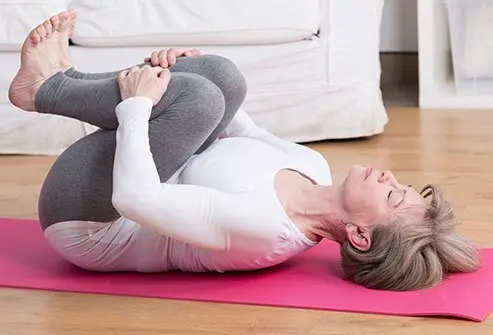
Knee-to-Chest Stretch
This stretch relaxes the lower back.
- Lie on your back.
- Pull one knee toward your chest.
- Hold for 20 seconds.
- Repeat with the other leg.
Cat-Cow Stretch
This yoga movement improves flexibility.
- Begin on your hands and knees.
- Arch your back upward.
- Slowly lower your stomach while lifting your head.
- Repeat 10 to 15 times.
Pelvic Tilt
This exercise strengthens abdominal muscles.
- Lie on your back with knees bent.
- Tighten your stomach muscles.
- Flatten your lower back against the floor.
- Hold for five seconds.
Bird Dog Exercise
This movement improves balance and core strength.
- Start on hands and knees.
- Extend one arm and the opposite leg.
- Hold briefly.
- Switch sides.
Walking
Walking is one of the safest and most effective activities for reducing chronic back pain.
Aim for 20–30 minutes most days of the week.
Improve Your Posture
Good posture protects your spine from unnecessary stress.
While sitting:
- Keep your feet flat on the floor.
- Relax your shoulders.
- Use lumbar support.
- Keep your computer screen at eye level.
While standing:
- Keep your weight evenly balanced.
- Avoid locking your knees.
- Engage your core muscles.
Safe Lifting Techniques
Improper lifting is a common cause of back injuries.
Remember to:
- Bend your knees instead of your waist.
- Keep the object close to your body.
- Avoid twisting while lifting.
- Ask for help when lifting heavy items.
Using proper technique greatly reduces the risk of injury.
Healthy Lifestyle Habits
Several lifestyle changes support long-term spinal health.
Maintain a Healthy Weight
Excess weight increases pressure on the lower back.
Stay Active
Regular exercise strengthens muscles and improves flexibility.
Quit Smoking
Smoking reduces blood flow to spinal tissues and slows healing.
Eat a Balanced Diet
Choose foods rich in:
- Calcium
- Vitamin D
- Magnesium
- Protein
- Fruits
- Vegetables
- Whole grains
Good nutrition supports healthy bones and muscles.
When Should You Seek Medical Care?
Medical evaluation is recommended if back pain:
- Lasts longer than several weeks
- Becomes increasingly severe
- Follows a serious accident
- Causes weakness in the legs
- Results in numbness or tingling
- Causes loss of bladder or bowel control
- Occurs with fever or unexplained weight loss
Early diagnosis helps prevent complications.
Medical Treatment Options
Depending on the cause, healthcare providers may recommend:
- Physical therapy
- Prescription medications
- Anti-inflammatory medicines
- Muscle relaxants
- Steroid injections
- Chiropractic care
- Massage therapy
- Surgery for severe cases
Treatment plans should always be personalized to the individual’s condition.
Preventing Future Back Pain
Prevention is often easier than treatment.
Follow these healthy habits:
- Exercise regularly.
- Stretch before physical activity.
- Maintain good posture.
- Lift objects correctly.
- Sleep on a supportive mattress.
- Strengthen your core muscles.
- Avoid sitting for long periods.
- Stay hydrated.
- Wear supportive footwear.
- Maintain a healthy body weight.
Small daily improvements can greatly reduce your risk of recurring back pain.
Frequently Asked Questions
What is the most common cause of back pain?
Muscle strain, poor posture, and improper lifting techniques are among the most common causes.
Can walking help relieve back pain?
Yes. Walking promotes circulation, strengthens muscles, and helps reduce stiffness.
Should I stay in bed if my back hurts?
Extended bed rest is generally not recommended. Gentle movement usually supports faster recovery.
How can I prevent lower back pain?
Exercise regularly, maintain good posture, lift properly, and strengthen your core muscles.
When is back pain considered serious?
Back pain accompanied by numbness, weakness, loss of bladder control, fever, or severe trauma requires immediate medical evaluation.
Conclusion
Back pain is a common condition, but it does not have to control your life. Understanding its causes, improving your posture, staying physically active, and practicing healthy daily habits can significantly reduce pain and improve spinal health.
Simple exercises, proper lifting techniques, and maintaining a healthy lifestyle are often enough to prevent many cases of back pain. If your symptoms persist or become severe, seek professional medical care to receive an accurate diagnosis and an effective treatment plan. Taking care of your back today can help you stay active, comfortable, and healthy for years to come.