

Introduction
Your eyes help you enjoy the beauty of the world every day. From reading books to driving a car and recognizing the faces of loved ones, healthy vision is an important part of life. However, many eye diseases can slowly damage your eyesight without causing any pain or early warning signs. One of the most serious of these diseases is glaucoma.
- Introduction
- What Is Glaucoma?
- Why Glaucoma Screening Matters
- Who Is at Risk for Glaucoma?
- What Happens During Glaucoma Screening?
- Eye Pressure Test
- Optic Nerve Examination
- Visual Field Test
- Corneal Thickness Measurement
- Optical Imaging
- Types of Glaucoma
- Glaucoma Treatment Options
- Living with Glaucoma
- Can Glaucoma Be Prevented?
- When Should You See an Eye Doctor?
- The Importance of Regular Eye Checkups
- Conclusion
- Frequently Asked Questions (FAQs)
Glaucoma is often called the “silent thief of sight” because it can damage your vision slowly without noticeable symptoms. Many people do not realize they have glaucoma until permanent vision loss has already occurred. The good news is that regular glaucoma screening and treatment can help detect the disease early and protect your eyesight.
In this article, you will learn what glaucoma is, why screening is important, how doctors diagnose it, available treatment options, and simple ways to keep your eyes healthy.
What Is Glaucoma?
Glaucoma is a group of eye diseases that damage the optic nerve. The optic nerve carries visual information from your eyes to your brain. When this nerve becomes damaged, your vision gradually becomes weaker.
In many cases, glaucoma is caused by increased pressure inside the eye. This pressure develops when the fluid inside the eye does not drain properly. However, some people can develop glaucoma even when their eye pressure is normal.
Once vision is lost from glaucoma, it cannot be restored. That is why early detection and treatment are extremely important.
Why Glaucoma Screening Matters
Many people with glaucoma do not experience pain, redness, or blurry vision during the early stages. They may continue living normally while the disease slowly damages their eyesight.
Regular glaucoma screening helps doctors find the disease before serious vision loss occurs. Early treatment can slow or stop further damage and help preserve your vision for many years.
Eye specialists recommend regular eye examinations, especially for adults over the age of 40 or those who have a higher risk of developing glaucoma.
Who Is at Risk for Glaucoma?
Although anyone can develop glaucoma, some people have a greater chance of getting the disease.
Risk factors include:
- Being over 40 years old
- Having a family history of glaucoma
- High eye pressure
- Diabetes
- High blood pressure
- Severe nearsightedness or farsightedness
- Previous eye injury
- Long-term use of steroid medications
- Thin corneas
If you have one or more of these risk factors, regular eye exams become even more important.
What Happens During Glaucoma Screening?
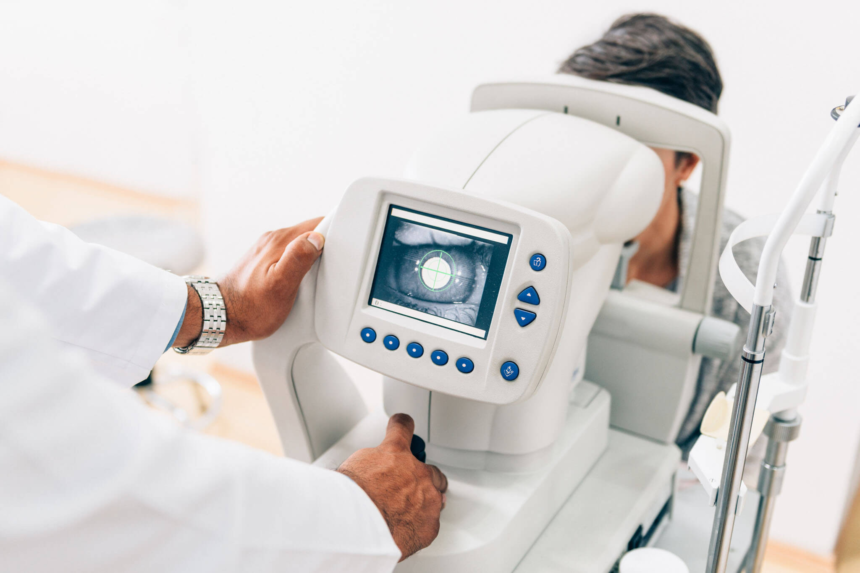
A glaucoma screening is simple, painless, and usually takes less than an hour. Your eye doctor may perform several tests to evaluate your eye health.
Eye Pressure Test
This test measures the pressure inside your eye. High pressure can increase the risk of glaucoma, although not everyone with high eye pressure develops the disease.
Optic Nerve Examination
The doctor carefully checks the optic nerve for any signs of damage using special instruments and imaging technology.
Visual Field Test
This test checks your side or peripheral vision. Glaucoma often affects side vision before central vision.
Corneal Thickness Measurement
The thickness of your cornea can affect eye pressure readings. Measuring it helps doctors better understand your glaucoma risk.
Optical Imaging
Modern eye clinics use advanced imaging devices to create detailed pictures of the optic nerve. These images help detect even small changes over time.
Types of Glaucoma
There are several different types of glaucoma.
Open-Angle Glaucoma
This is the most common type. The drainage system in the eye slowly becomes less effective, causing pressure to build up over time. Vision loss happens gradually.
Angle-Closure Glaucoma
This type develops when the drainage angle becomes blocked suddenly. Eye pressure rises quickly, causing severe pain, blurred vision, headache, nausea, and vomiting. This is a medical emergency that requires immediate treatment.
Normal-Tension Glaucoma
Some people develop optic nerve damage even though their eye pressure remains within the normal range. Doctors are still studying why this happens.
Congenital Glaucoma
This rare form affects babies and young children due to abnormal eye development before birth.
Glaucoma Treatment Options
Although glaucoma cannot be cured, modern treatments can effectively slow or stop further vision loss. The goal is to lower eye pressure and protect the optic nerve.
Prescription Eye Drops
Eye drops are usually the first treatment for glaucoma.
These medications work by:
- Reducing fluid production inside the eye
- Improving fluid drainage
- Lowering eye pressure
Patients should use their eye drops exactly as prescribed. Missing doses may allow eye pressure to increase again.
Oral Medications
Sometimes doctors prescribe tablets along with eye drops when additional pressure control is needed. These medications are generally used for short periods or before surgery.
Laser Treatment
Laser therapy is a safe and common procedure that improves fluid drainage from the eye.
Benefits include:
- Quick procedure
- Minimal discomfort
- No hospital stay
- Fast recovery
Some patients may still need eye drops after laser treatment.
Glaucoma Surgery
If medications and laser treatment are not enough, surgery may be recommended.
Different surgical procedures create new drainage pathways that lower eye pressure. Advances in surgical techniques have made glaucoma surgery safer and more effective than ever before.
Living with Glaucoma
Being diagnosed with glaucoma does not mean you will become blind. Many people continue to enjoy excellent vision throughout their lives with proper treatment and regular monitoring.
To manage glaucoma successfully:
- Never skip prescribed eye drops.
- Attend all follow-up appointments.
- Inform your doctor about any medication side effects.
- Exercise regularly after discussing it with your healthcare provider.
- Maintain healthy blood pressure and blood sugar levels.
- Eat a balanced diet rich in fruits and vegetables.
- Protect your eyes from injury.
- Avoid smoking.
Following your doctor’s instructions is one of the best ways to protect your vision.
Can Glaucoma Be Prevented?
There is no guaranteed way to prevent glaucoma, but early detection greatly reduces the risk of severe vision loss.
Simple preventive steps include:
- Get comprehensive eye exams regularly.
- Know your family medical history.
- Control diabetes and high blood pressure.
- Wear protective eyewear during sports or hazardous work.
- Follow a healthy lifestyle.
People with higher risk should schedule eye exams more frequently as recommended by their eye doctor.
When Should You See an Eye Doctor?
Do not wait until your vision becomes blurry.
Schedule an eye examination if you:
- Are over 40 years old
- Have a family history of glaucoma
- Notice loss of side vision
- Experience sudden eye pain
- Have blurred vision
- See halos around lights
- Have frequent headaches with eye discomfort
Immediate medical attention is necessary if you experience severe eye pain with sudden vision changes.
The Importance of Regular Eye Checkups
Many eye diseases, including glaucoma, develop without obvious symptoms. Regular eye examinations allow doctors to detect problems before permanent damage occurs.
Even if your vision seems perfectly normal, routine eye checkups can identify glaucoma in its earliest stages when treatment is most effective.
Remember that healthy vision is something worth protecting throughout your life.
Conclusion
Glaucoma is one of the leading causes of permanent blindness worldwide, but it does not have to steal your sight. Thanks to modern glaucoma screening and treatment, doctors can diagnose the disease early and help patients maintain their vision for many years.
Regular eye examinations, early diagnosis, proper treatment, and following your doctor’s advice are the keys to protecting your eyesight. Whether treatment involves eye drops, laser therapy, or surgery, acting early makes a significant difference.
If you or a family member has risk factors for glaucoma, do not delay scheduling a comprehensive eye examination. Taking care of your eyes today can help preserve your vision for the future.
Frequently Asked Questions (FAQs)
1. What is glaucoma screening?
Glaucoma screening is a series of painless eye tests that check eye pressure, examine the optic nerve, and evaluate your vision to detect glaucoma before symptoms appear.
2. At what age should glaucoma screening begin?
Most eye specialists recommend regular glaucoma screening starting at age 40. People with diabetes, a family history of glaucoma, or other risk factors may need screening earlier.
3. Can glaucoma be cured?
No, glaucoma cannot be cured, and lost vision cannot be restored. However, early treatment can slow or stop the progression of the disease and help preserve remaining vision.
4. What is the best treatment for glaucoma?
The best treatment depends on the type and severity of glaucoma. Doctors may recommend prescription eye drops, laser treatment, surgery, or a combination of these methods.
5. How often should I have my eyes checked for glaucoma?
Healthy adults should have regular comprehensive eye exams based on their age and risk factors. People at higher risk or those diagnosed with glaucoma may need more frequent checkups as advised by their eye doctor.