

Introduction
Knee pain is one of the most common health problems that affects people of all ages. Whether you are a student, an office worker, an athlete, or an older adult, knee pain can make everyday activities difficult. Walking, climbing stairs, exercising, or even standing for a long time may become painful.
- Introduction
- What Is an Orthopedic Surgeon?
- Common Causes of Knee Pain
- Signs You Should Visit an Orthopedic Surgeon
- How an Orthopedic Surgeon Diagnoses Knee Pain
- Non-Surgical Treatments for Knee Pain
- When Is Knee Surgery Needed?
- Types of Knee Surgery
- Recovery After Knee Treatment
- Tips to Keep Your Knees Healthy
- Choosing the Right Orthopedic Surgeon
- Conclusion
Many people ignore knee pain at first, hoping it will go away on its own. Sometimes it does, but if the pain continues or becomes worse, it is important to seek professional medical help. This is where an orthopedic surgeon for knee pain can make a big difference.
An orthopedic surgeon specializes in diagnosing, treating, and preventing problems related to bones, joints, muscles, ligaments, and tendons. They have the knowledge and experience to find the real cause of knee pain and recommend the best treatment for each patient.
In this article, you will learn what an orthopedic surgeon does, common causes of knee pain, when you should see a specialist, available treatment options, recovery tips, and answers to common questions.
What Is an Orthopedic Surgeon?
An orthopedic surgeon is a medical doctor who specializes in treating conditions that affect the musculoskeletal system. This includes bones, joints, muscles, cartilage, tendons, and ligaments.
Although they are called surgeons, they do much more than perform operations. In fact, many patients recover without surgery. Orthopedic surgeons first try non-surgical treatments whenever possible. Surgery is usually recommended only when other treatments do not provide enough relief.
They help patients of all ages recover from injuries, manage chronic conditions, improve mobility, and reduce pain.
Common Causes of Knee Pain
Knee pain can happen for many different reasons. Understanding the cause helps doctors choose the right treatment.
Osteoarthritis
Osteoarthritis is one of the most common causes of knee pain, especially in older adults. It occurs when the cartilage that cushions the knee joint gradually wears away. This leads to pain, stiffness, swelling, and difficulty moving the knee.
Sports Injuries
Athletes and active individuals often experience knee injuries while playing sports. Torn ligaments, damaged cartilage, and strained muscles are common injuries that require proper treatment.
Meniscus Tear
The meniscus is a piece of cartilage that acts as a cushion inside the knee. Twisting the knee suddenly can tear the meniscus, causing pain, swelling, and limited movement.
Ligament Injuries
The knee contains several important ligaments that keep it stable. Injuries to the ACL, PCL, MCL, or LCL can occur during sports, accidents, or falls.
Tendinitis
Repeated stress on the knee can inflame the tendons. This condition is called tendinitis and often affects runners, cyclists, and people who frequently jump.
Bursitis
Small fluid-filled sacs called bursae help reduce friction around the knee. When these sacs become inflamed, they can cause pain and swelling.
Fractures
A fall or accident may fracture the kneecap or nearby bones. Immediate medical attention is necessary in these cases.
Signs You Should Visit an Orthopedic Surgeon
Many people live with knee pain for months before seeking treatment. However, early diagnosis often leads to better results.
You should consider visiting an orthopedic surgeon if you experience:
- Knee pain lasting more than a few weeks
- Swelling that does not improve
- Difficulty walking or climbing stairs
- Knee instability or giving way
- Stiffness that limits movement
- Locking or clicking of the knee
- Pain after an injury
- Difficulty putting weight on the affected leg
- Redness or warmth around the knee
- Pain that interferes with daily activities
Ignoring these symptoms may lead to more serious damage over time.
How an Orthopedic Surgeon Diagnoses Knee Pain
A proper diagnosis is the first step toward successful treatment.
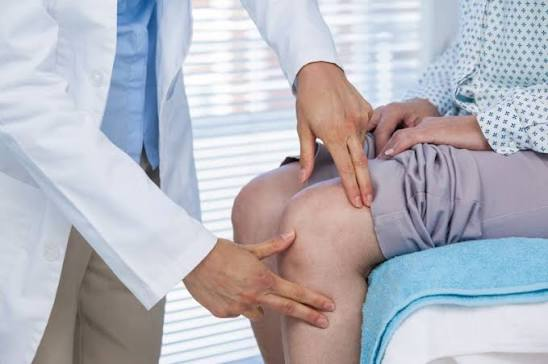
The orthopedic surgeon usually begins by discussing your medical history. They ask questions about your symptoms, previous injuries, lifestyle, and daily activities.
Next comes a physical examination. The doctor checks:
- Knee movement
- Swelling
- Stability
- Tenderness
- Strength
- Walking pattern
If needed, imaging tests may be recommended, including:
- X-rays
- MRI scans
- CT scans
- Ultrasound
In some situations, blood tests may also help identify infections or inflammatory conditions.
Non-Surgical Treatments for Knee Pain
Many patients improve without surgery. Orthopedic surgeons usually recommend conservative treatments first.
Physical Therapy
Physical therapy strengthens muscles around the knee, improves flexibility, and increases stability. It also reduces pain and helps restore normal movement.
Medication
Pain relievers and anti-inflammatory medicines can reduce discomfort and swelling. These should always be taken according to a doctor’s advice.
Lifestyle Changes
Simple lifestyle adjustments can greatly improve knee health.
These include:
- Losing excess weight
- Wearing supportive shoes
- Avoiding high-impact activities
- Following a healthy diet
- Exercising regularly
Knee Braces
Braces provide additional support and help protect the knee during daily activities.
Injections
Some patients benefit from corticosteroid injections or lubricating injections that reduce inflammation and improve joint movement.
When Is Knee Surgery Needed?
Surgery is usually considered when non-surgical treatments fail to relieve symptoms.
An orthopedic surgeon may recommend surgery if:
- Severe arthritis damages the joint
- Ligaments are completely torn
- The meniscus has a serious tear
- Fractures require repair
- Chronic pain affects quality of life
Every patient is different, so surgery is recommended only after careful evaluation.
Types of Knee Surgery
Several surgical procedures are available depending on the condition.
Arthroscopy
This minimally invasive procedure uses a small camera to repair damaged cartilage, remove loose tissue, or treat meniscus injuries.
Ligament Reconstruction
Damaged ligaments, such as the ACL, can be reconstructed using tissue grafts to restore knee stability.
Partial Knee Replacement
Only the damaged portion of the knee joint is replaced, preserving healthy bone and tissue.
Total Knee Replacement
In severe arthritis cases, the damaged knee joint is replaced with an artificial joint to reduce pain and improve mobility.
Recovery After Knee Treatment
Recovery depends on the type of treatment received.
Patients who receive non-surgical treatment often improve within a few weeks with physical therapy and proper care.
Recovery after surgery may take several months. During this period, patients should:
- Follow their doctor’s instructions
- Attend physical therapy sessions
- Perform recommended exercises
- Avoid heavy lifting
- Eat nutritious foods
- Stay active without overloading the knee
Patience and consistency are important for successful recovery.
Tips to Keep Your Knees Healthy
Preventing knee problems is always better than treating them later.
Here are some simple ways to protect your knees:
- Maintain a healthy body weight.
- Exercise regularly.
- Stretch before physical activity.
- Wear comfortable, supportive footwear.
- Strengthen your leg muscles.
- Avoid sudden twisting movements.
- Use proper techniques during sports.
- Rest when you feel pain.
- Stay hydrated.
- Eat foods rich in calcium and vitamin D.
Small daily habits can help keep your knees strong for years.
Choosing the Right Orthopedic Surgeon
Finding the right specialist is an important step toward recovery.
Look for a surgeon who:
- Has experience treating knee conditions.
- Is board-certified.
- Explains treatment options clearly.
- Listens carefully to your concerns.
- Has positive patient reviews.
- Offers both surgical and non-surgical treatments.
Do not hesitate to ask questions during your appointment. A good doctor will make sure you understand your diagnosis and treatment plan.
Conclusion
Knee pain can affect every part of your daily life, from walking and working to enjoying your favorite activities. While minor pain may improve with rest, ongoing discomfort should never be ignored.
An orthopedic surgeon for knee pain can accurately diagnose the cause of your symptoms and recommend the most effective treatment. Many patients recover through physical therapy, medication, lifestyle changes, or other non-surgical methods, while some may benefit from advanced surgical procedures.
Seeking medical care early can prevent further joint damage, reduce pain, and help you return to an active and healthy lifestyle. Taking care of your knees today will support your mobility and quality of life for many years.
Frequently Asked Questions (FAQs)
1. When should I see an orthopedic surgeon for knee pain?
You should see an orthopedic surgeon if your knee pain lasts more than a few weeks, becomes severe, limits your movement, or follows an injury.
2. Can knee pain be treated without surgery?
Yes. Many cases of knee pain improve with physical therapy, medication, weight management, exercise, braces, or injections. Surgery is usually considered only when these treatments are not effective.
3. How does an orthopedic surgeon diagnose knee pain?
The doctor reviews your medical history, performs a physical examination, and may recommend imaging tests such as X-rays or MRI scans to identify the cause.
4. How long does recovery take after knee surgery?
Recovery varies depending on the procedure. Minor arthroscopic surgeries may require only a few weeks, while total knee replacement often takes several months with rehabilitation.
5. Can I prevent knee pain?
Yes. Maintaining a healthy weight, exercising regularly, strengthening leg muscles, wearing supportive shoes, stretching before activities, and avoiding overuse can help reduce the risk of knee pain.