

Introduction
A bunion is a common foot problem that affects millions of people around the world. It develops when the joint at the base of the big toe becomes enlarged and pushes the big toe toward the other toes. Over time, this change can cause pain, swelling, redness, and difficulty walking. Many people worry that surgery is the only solution, but that is not always true.
- Introduction
- What Is a Bunion?
- What Causes Bunions?
- Common Symptoms of a Bunion
- 1. Wear Comfortable Shoes
- 2. Use Bunion Pads
- 3. Try Toe Spacers
- 4. Apply Ice
- 5. Perform Foot Exercises
- 6. Maintain a Healthy Weight
- 7. Use Shoe Inserts
- 8. Take Pain Relief Medication
- 9. Massage the Foot
- 10. Physical Therapy
- 1. Can a bunion go away without surgery?
- 2. What is the best shoe for a bunion?
- 3. Are bunion correctors effective?
- 4. Can exercise help treat bunions?
- 5. When is bunion surgery necessary?
If your bunion is mild or moderate, there are many effective ways to manage the condition without an operation. Non-surgical treatments can reduce pain, improve comfort, and slow the progression of the bunion. While these methods cannot completely remove the bunion, they can help you stay active and enjoy daily life with less discomfort.
In this guide, you will learn everything you need to know about bunion treatment without surgery, including the causes, symptoms, home remedies, lifestyle changes, and professional treatment options.
What Is a Bunion?
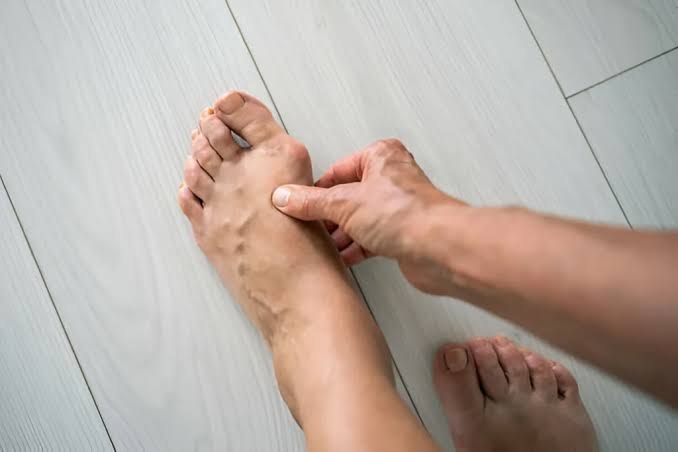
A bunion is a bony bump that forms at the joint where the big toe connects to the foot. As the joint moves out of its normal position, the big toe begins leaning toward the smaller toes. This creates pressure on the joint and can make wearing shoes uncomfortable.
Bunions usually develop slowly over several years. Some people have no pain at first, while others notice discomfort even in the early stages.
What Causes Bunions?
Several factors can increase the risk of developing bunions.
1. Genetics
One of the most common causes is family history. If your parents or grandparents had bunions, you may be more likely to develop them.
2. Tight or Narrow Shoes
Shoes that squeeze the toes together can put pressure on the big toe joint. High heels and pointed shoes often make the condition worse.
3. Foot Structure
Some people naturally have flat feet, loose joints, or unusual foot shapes that increase the risk of bunions.
4. Arthritis
Certain forms of arthritis, especially rheumatoid arthritis, can damage joints and contribute to bunion development.
5. Standing for Long Hours
Jobs that require standing or walking for many hours may place extra stress on the feet.
Common Symptoms of a Bunion
Recognizing the symptoms early allows you to begin treatment before the condition becomes severe.
Common signs include:
- A bump on the side of the big toe joint
- Pain while walking
- Swelling and redness
- Difficulty wearing regular shoes
- Stiffness in the big toe
- Corns or calluses between the toes
- Limited movement of the big toe
If the pain becomes severe or prevents normal walking, you should consult a healthcare professional.
Can Bunions Be Treated Without Surgery?
Yes. Many people successfully manage bunions without surgery. The goal of non-surgical treatment is to:
- Reduce pain
- Lower inflammation
- Improve walking comfort
- Prevent the bunion from getting worse
- Improve foot function
The earlier treatment begins, the better the results.
Best Bunion Treatment Without Surgery
1. Wear Comfortable Shoes
Changing your footwear is often the most effective first step.
Choose shoes that have:
- A wide toe box
- Soft materials
- Good arch support
- Low heels
- Cushioned soles
Avoid shoes that press tightly against your toes because they increase pain and irritation.
2. Use Bunion Pads
Soft bunion pads provide extra cushioning around the affected joint. They reduce pressure while walking and help prevent rubbing inside shoes.
Many people experience immediate comfort after using silicone or gel bunion cushions.
3. Try Toe Spacers
Toe spacers gently separate the big toe from the second toe. They may improve alignment while standing or resting.
Although toe spacers cannot permanently fix a bunion, they often reduce discomfort during daily activities.
4. Apply Ice
Ice therapy helps reduce swelling and pain after long periods of walking or standing.
Wrap an ice pack in a towel and place it on the bunion for 15 to 20 minutes.
Repeat several times a day if needed.
5. Perform Foot Exercises
Simple exercises keep the foot muscles flexible and improve joint movement.
Helpful exercises include:
Toe Stretch
Pull the big toe into its normal position for about 10 seconds.
Repeat 10 times.
Toe Circles
Move your big toe in slow circles.
Repeat for one minute.
Towel Curl
Place a towel on the floor.
Use your toes to pull the towel toward you.
Repeat 10 times.
Marble Pick-Up
Pick up small marbles using your toes.
This strengthens the muscles that support the foot.
6. Maintain a Healthy Weight
Extra body weight places more pressure on your feet.
Losing even a small amount of weight can reduce stress on the bunion and make walking more comfortable.
7. Use Shoe Inserts
Orthotic inserts help improve foot alignment and distribute body weight more evenly.
Custom orthotics made by a foot specialist may provide better support than over-the-counter inserts for some people.
8. Take Pain Relief Medication
Over-the-counter pain relievers may reduce inflammation and discomfort.
These medications should only be used according to the instructions or after consulting your healthcare provider.
9. Massage the Foot
Gentle foot massage increases blood flow and relaxes tight muscles around the bunion.
Using warm massage oil or lotion can make the process even more comfortable.
10. Physical Therapy
A physical therapist can teach exercises that improve foot strength, flexibility, and balance.
Regular therapy may reduce pain and improve movement.
Lifestyle Changes That Help
Daily habits can make a big difference in managing bunions.
Helpful lifestyle tips include:
- Wear supportive shoes every day.
- Avoid high heels for long periods.
- Stretch your feet regularly.
- Rest your feet after long walks.
- Stay physically active.
- Maintain a healthy weight.
- Replace worn-out shoes.
Small changes over time can help prevent the bunion from becoming worse.
What Treatments Should You Avoid?
Many products promise to permanently remove bunions without surgery.
Unfortunately, no cream, brace, or exercise can completely reverse a bunion once the bone has changed position.
Be careful of products that claim to “cure” bunions overnight.
Instead, focus on treatments that are supported by medical professionals and designed to reduce pain and improve function.
When Should You See a Doctor?
You should seek medical advice if:
- Pain becomes severe.
- Walking is difficult.
- Swelling continues for several days.
- The bunion grows rapidly.
- You develop numbness.
- Home treatment no longer helps.
A foot specialist can recommend the best treatment plan based on your condition.
Can Bunions Be Prevented?
Although not every bunion can be prevented, you can lower your risk.
Tips include:
- Wear shoes that fit properly.
- Avoid narrow toe boxes.
- Exercise your feet regularly.
- Maintain a healthy body weight.
- Replace old shoes when they lose support.
- Rest your feet after long periods of standing.
These simple habits can protect your foot health for years.
Conclusion
Living with a bunion does not always mean you need surgery. Many people successfully control pain and continue their normal activities through non-surgical treatments. Wearing supportive shoes, using bunion pads, performing foot exercises, applying ice, maintaining a healthy weight, and using orthotic inserts can all make a noticeable difference.
The key is to start treatment early and stay consistent with healthy foot care habits. While these methods cannot permanently remove a bunion, they can reduce discomfort, improve mobility, and slow the condition’s progression. If your symptoms become severe or interfere with daily life, consult a qualified healthcare professional to discuss the most appropriate treatment options.
Frequently Asked Questions (FAQs)
1. Can a bunion go away without surgery?
No. A bunion will not disappear on its own because the joint has changed position. However, non-surgical treatments can reduce pain, improve comfort, and slow its progression.
2. What is the best shoe for a bunion?
The best shoes have a wide toe box, soft material, good arch support, cushioning, and low heels. These features reduce pressure on the big toe joint.
3. Are bunion correctors effective?
Bunion correctors and toe spacers may improve comfort and help align the toe temporarily, but they do not permanently fix the bunion.
4. Can exercise help treat bunions?
Yes. Gentle stretching and strengthening exercises improve flexibility, support the foot muscles, and may reduce pain. Exercise works best when combined with supportive footwear and other non-surgical treatments.
5. When is bunion surgery necessary?
Surgery is usually considered when the pain is severe, daily activities become difficult, and non-surgical treatments no longer provide enough relief. A healthcare professional can determine whether surgery is appropriate based on your symptoms and the severity of the bunion.