


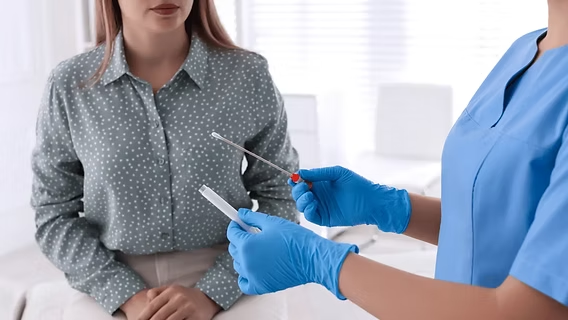
Introduction
Taking care of your health is one of the most important things you can do. While many people visit a doctor for regular checkups, sexual health is often ignored because of fear, embarrassment, or concerns about privacy. However, looking after your sexual health is just as important as caring for any other part of your body.
- Introduction
- What Is Confidential Sexual Health Testing?
- Why Confidential Sexual Health Testing Is Important
- Who Should Consider Confidential Sexual Health Testing?
- How Confidential Sexual Health Testing Works
- Step 1: Booking an Appointment
- Step 2: Private Health Discussion
- Step 3: Sample Collection
- Step 4: Laboratory Testing
- Step 5: Receiving Your Results
- Benefits of Confidential Sexual Health Testing
- Protects Your Privacy
- Encourages Early Detection
- Reduces Anxiety
- Supports Healthy Relationships
- Improves Public Health
- Common Myths About Confidential Sexual Health Testing
This is where confidential sexual health testing becomes valuable. It allows people to get tested for sexually transmitted infections (STIs) and other sexual health conditions while keeping their personal information private. Whether you are sexually active, starting a new relationship, or simply want peace of mind, confidential testing gives you the confidence to know your health status without worrying about your privacy.
In this guide, you will learn what confidential sexual health testing is, why it matters, how it works, who should consider it, and the many benefits it offers.
What Is Confidential Sexual Health Testing?
Confidential sexual health testing is a medical service that helps people check for sexually transmitted infections and other sexual health conditions while protecting their personal information. Healthcare providers keep your test results and medical records secure and only share them with people who are legally allowed to see them.
Many clinics and healthcare providers understand that discussing sexual health can feel uncomfortable. For this reason, they have systems in place to make the testing process private, respectful, and stress-free.
Depending on the clinic or healthcare provider, you may be tested for conditions such as:
- Chlamydia
- Gonorrhea
- HIV
- Syphilis
- Hepatitis B
- Hepatitis C
- Herpes
- Human papillomavirus (HPV)
The exact tests you receive depend on your age, symptoms, medical history, and sexual activity.
Why Confidential Sexual Health Testing Is Important
Many sexually transmitted infections do not show symptoms in the early stages. A person may feel completely healthy while still carrying an infection that can affect their health or be passed to someone else.
Regular confidential sexual health testing helps detect infections early. Early diagnosis allows treatment to begin before serious health problems develop.
Testing also helps protect your partners. When you know your health status, you can make informed decisions and reduce the risk of spreading infections.
Another important benefit is peace of mind. Waiting and wondering about your health can cause unnecessary stress. Getting tested provides clear answers and helps you move forward with confidence.
Who Should Consider Confidential Sexual Health Testing?
Anyone who is sexually active can benefit from confidential sexual health testing. Testing is not only for people who have symptoms. In fact, many infections cause no noticeable signs.
You should consider getting tested if you:
- Have started a new sexual relationship.
- Have more than one sexual partner.
- Have had unprotected sex.
- Think you may have been exposed to an STI.
- Notice unusual symptoms such as pain, sores, itching, or unusual discharge.
- Are planning to become pregnant.
- Want reassurance about your sexual health.
Even if you feel perfectly healthy, regular testing can help identify problems before they become serious.
How Confidential Sexual Health Testing Works
Many people avoid testing because they are unsure what will happen during the appointment. Fortunately, the process is usually simple and straightforward.
Step 1: Booking an Appointment
You can schedule an appointment at a sexual health clinic, your doctor’s office, or another healthcare provider that offers confidential testing. Some services also allow appointments to be booked online or by phone.
Step 2: Private Health Discussion
A healthcare professional will ask questions about your medical history, sexual activity, and any symptoms you may have. These questions are not meant to judge you. They simply help determine which tests are most appropriate for your situation.
Honest answers help ensure you receive the right care.
Step 3: Sample Collection
The type of sample depends on the tests being performed. Common samples include:
- Blood samples
- Urine samples
- Swab samples from affected areas
- Saliva samples for certain tests
Most tests are quick and cause little or no discomfort.
Step 4: Laboratory Testing
Your samples are sent to a laboratory where trained professionals carefully examine them using accurate testing methods.
The time needed for results varies depending on the type of test. Some results are available within a day, while others may take several days.
Step 5: Receiving Your Results
Results are shared privately. If a test result is positive, your healthcare provider will explain the next steps, discuss treatment options, and answer any questions you have.
Many sexually transmitted infections can be treated successfully, especially when they are detected early.
Benefits of Confidential Sexual Health Testing
Confidential sexual health testing offers many important benefits that go beyond simply receiving test results.
Protects Your Privacy
One of the biggest advantages is knowing that your personal information is handled carefully. Your medical records are protected according to privacy laws and healthcare regulations.
Encourages Early Detection
Finding an infection early often leads to simpler and more effective treatment. Early diagnosis can also prevent long-term health complications.
Reduces Anxiety
Many people spend weeks worrying after possible exposure to an infection. Testing replaces uncertainty with accurate information, helping reduce stress and fear.
Supports Healthy Relationships
Open communication about sexual health helps build trust between partners. Knowing your status allows both people to make informed decisions about their health.
Improves Public Health
When more people get tested, infections can be identified and treated sooner. This reduces the spread of sexually transmitted infections within communities and helps improve overall public health.
Common Myths About Confidential Sexual Health Testing
Many misconceptions prevent people from getting tested. Understanding the truth can help remove unnecessary fear.
One common myth is that only people with symptoms need testing. In reality, many infections have no symptoms at all.
Another myth is that testing is painful. Most modern tests are quick, simple, and involve only a small blood sample, urine sample, or swab.
Some people also believe their personal information will not remain private. Healthcare providers follow strict privacy rules designed to protect confidential medical information.
Finally, some assume testing is only necessary for young adults. In fact, anyone who is sexually active, regardless of age, can benefit from regular sexual health testing.