


Introduction
Contraception and family planning consultation is an important healthcare service that helps individuals and couples make informed decisions about their reproductive health. Whether someone wants to delay pregnancy, space children, or avoid pregnancy altogether, professional guidance can make the process easier and safer.
- Introduction
- What Is Contraception?
- What Is Family Planning?
- What Is a Contraception and Family Planning Consultation?
- Why Is Family Planning Consultation Important?
- What Happens During the Consultation?
- Different Types of Contraception
- 1. Condoms
- 2. Birth Control Pills
- 3. Intrauterine Device (IUD)
- 4. Contraceptive Implant
- 5. Contraceptive Injection
- 6. Emergency Contraception
- 7. Permanent Contraception
- How to Choose the Right Birth Control Method
- Benefits of Family Planning
- Common Myths About Contraception
- Myth 1: Birth Control Causes Permanent Infertility
- Myth 2: Young People Do Not Need Family Planning Advice
- Myth 3: All Birth Control Methods Have Serious Side Effects
- Myth 4: Family Planning Is Only for Women
- Tips Before Your Consultation
- Conclusion
Every person has different health conditions, lifestyles, and future plans. Because of this, there is no single birth control method that works for everyone. A family planning consultation provides personalized advice based on medical history, age, health, and personal preferences.
In this article, you will learn what contraception and family planning consultation means, why it is important, what happens during a consultation, the different contraception options available, and how to choose the right method for your needs.
What Is Contraception?
Contraception refers to methods, medicines, or devices used to prevent pregnancy. These methods allow people to decide if and when they want to have children.
Some contraceptive methods are temporary, while others are permanent. Certain methods also protect against sexually transmitted infections (STIs), while others only prevent pregnancy.
Using contraception correctly can reduce the chances of an unplanned pregnancy and help people plan their families according to their goals.
What Is Family Planning?
Family planning means making informed decisions about having children. It includes deciding:
- When to have children
- How many children to have
- How much time to leave between pregnancies
- Which contraception method is most suitable
Family planning also includes education about reproductive health, pregnancy planning, fertility, and healthy relationships. It supports both women’s and men’s health and encourages responsible decision-making.
What Is a Contraception and Family Planning Consultation?
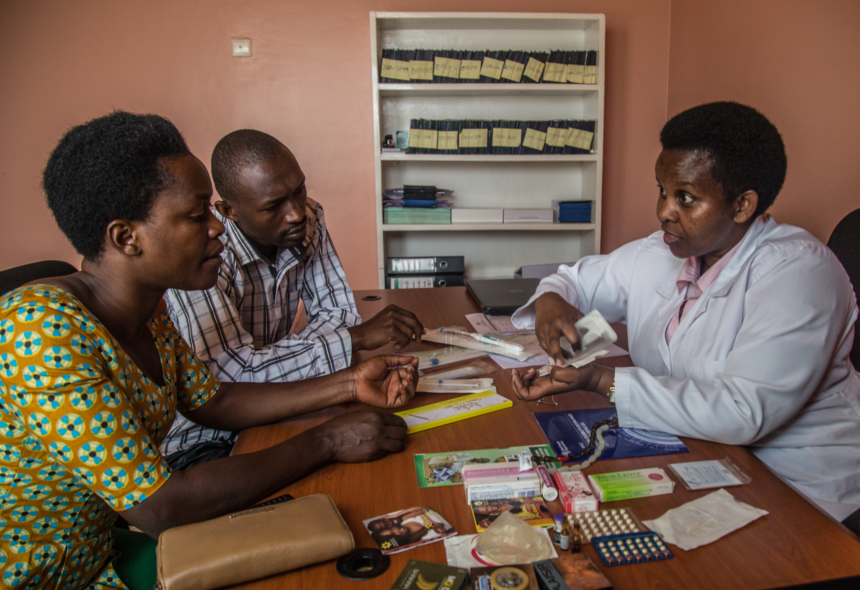
A contraception and family planning consultation is a private meeting with a healthcare professional, such as a doctor, nurse, or family planning specialist.
During the consultation, the healthcare provider explains different birth control methods, answers questions, and helps patients choose the safest and most effective option.
The consultation is confidential and designed to help people make decisions without pressure or judgment.
Why Is Family Planning Consultation Important?
Many people are unsure which birth control method is right for them. Some may have medical conditions, while others may experience side effects from certain contraceptives.
A consultation is important because it helps:
- Prevent unplanned pregnancies
- Improve reproductive health
- Reduce health risks
- Choose the safest contraception method
- Plan pregnancies at the right time
- Understand possible side effects
- Increase confidence in family planning decisions
Professional advice can prevent confusion and ensure the chosen method fits a person’s lifestyle and health needs.
What Happens During the Consultation?
A family planning consultation usually begins with a discussion about your health and future goals.
The healthcare provider may ask questions about:
- Your age
- Medical history
- Current medications
- Menstrual cycle
- Previous pregnancies
- Smoking habits
- Blood pressure
- Future pregnancy plans
- Sexual health
After understanding your situation, the provider explains different contraception options, their benefits, risks, and effectiveness.
Patients are encouraged to ask questions and discuss any concerns before making a decision.
Different Types of Contraception
There are many contraception methods available today. Each has its own advantages and disadvantages.
1. Condoms
Male and female condoms are among the most common birth control methods.
Benefits include:
- Easy to use
- No hormones
- Affordable
- Protect against sexually transmitted infections
Condoms must be used correctly every time during sexual activity for the best protection.
2. Birth Control Pills
Birth control pills contain hormones that prevent pregnancy.
Advantages include:
- Highly effective when taken daily
- Can regulate menstrual periods
- May reduce acne
- Can decrease menstrual pain
Missing pills may reduce their effectiveness.
3. Intrauterine Device (IUD)
An IUD is a small device placed inside the uterus by a healthcare professional.
Benefits include:
- Long-lasting protection
- Highly effective
- Low maintenance
- Reversible
Some IUDs contain hormones, while others are hormone-free.
4. Contraceptive Implant
The implant is a small rod placed under the skin of the upper arm.
It slowly releases hormones that prevent pregnancy for several years.
Advantages include:
- Very effective
- Long-term protection
- No daily action required
5. Contraceptive Injection
Birth control injections provide protection for several weeks or months, depending on the type.
Benefits include:
- Convenient
- Highly effective
- Suitable for many women
Regular appointments are needed to maintain protection.
6. Emergency Contraception
Emergency contraception is used after unprotected sex or contraceptive failure.
It should be taken as soon as possible because it works best within the recommended time after intercourse.
It is not intended for regular birth control.
7. Permanent Contraception
Permanent contraception is suitable for people who are certain they do not want more children.
Options include:
- Female sterilization
- Male vasectomy
These procedures are generally considered permanent and should be carefully discussed during consultation.
How to Choose the Right Birth Control Method
Choosing contraception depends on many personal factors.
These include:
- Age
- Overall health
- Lifestyle
- Future pregnancy plans
- Medical conditions
- Cost
- Convenience
- Personal preferences
There is no “best” method for everyone. A healthcare provider helps compare options based on individual needs.
Benefits of Family Planning
Family planning offers many health, financial, and emotional benefits.
Some major advantages include:
Better Maternal Health
Spacing pregnancies gives the body enough time to recover, reducing pregnancy-related health risks.
Healthier Babies
Proper spacing between pregnancies improves the chances of healthier pregnancies and babies.
Financial Planning
Parents can prepare financially before expanding their family.
Reduced Stress
Knowing when to have children allows couples to plan education, careers, housing, and family life more effectively.
Improved Women’s Health
Many contraceptive methods help regulate menstrual cycles, reduce painful periods, and manage certain medical conditions.
Common Myths About Contraception
Many myths create unnecessary fear about birth control.
Myth 1: Birth Control Causes Permanent Infertility
This is false. Most contraceptive methods are reversible, and fertility usually returns after stopping them.
Myth 2: Young People Do Not Need Family Planning Advice
Everyone deserves accurate information about reproductive health, regardless of age.
Myth 3: All Birth Control Methods Have Serious Side Effects
Most people experience few or manageable side effects. A healthcare provider can recommend alternatives if one method is unsuitable.
Myth 4: Family Planning Is Only for Women
Family planning involves both partners. Men also play an important role in making informed reproductive decisions.
Tips Before Your Consultation
You can prepare for your appointment by:
- Writing down your questions
- Knowing your medical history
- Listing current medications
- Thinking about future pregnancy plans
- Being honest about your lifestyle
- Discussing any previous birth control experiences
Being open helps the healthcare provider recommend the safest and most suitable option.
Conclusion
Contraception and family planning consultation is an essential part of reproductive healthcare. It gives individuals and couples the knowledge they need to make informed decisions about pregnancy prevention and family planning.
With many birth control options available, choosing the right one can feel overwhelming. A professional consultation provides personalized guidance based on health, lifestyle, and future goals.
Whether you are starting birth control for the first time, planning your family, or considering changing methods, seeking expert advice can help you choose the safest and most effective solution. Making informed decisions today can lead to better health, greater confidence, and a healthier future for you and your family.
Frequently Asked Questions (FAQs)
1. What is the purpose of a contraception and family planning consultation?
A contraception and family planning consultation helps people understand different birth control options, choose the most suitable method, and receive personalized advice based on their health and future family goals.
2. Is family planning consultation confidential?
Yes. Family planning consultations are private and confidential. Healthcare professionals respect patient privacy and provide a safe environment for discussing personal health concerns.
3. Which contraception method is the most effective?
Long-acting reversible contraceptives, such as IUDs and contraceptive implants, are among the most effective reversible methods. However, the best choice depends on your individual health needs and lifestyle.
4. Can contraception affect future fertility?
Most contraceptive methods do not cause permanent infertility. In most cases, fertility returns after stopping the chosen method, although the time may vary depending on the type of contraception.
5. How often should I have a family planning consultation?
You should consider a consultation whenever your health changes, your contraception needs change, you experience side effects, or you are planning a pregnancy. Regular check-ups also help ensure your chosen method continues to meet your needs.