

Introduction
Sleep is one of the most important parts of a healthy life. It gives your body time to rest, repair itself, and prepare for a new day. However, many people do not get quality sleep because of a condition called sleep apnea. This common sleep disorder causes breathing to stop and start repeatedly during sleep. Many people do not even realize they have it until a family member notices loud snoring or they begin feeling tired every day.
Sleep apnea is more than just snoring. If left untreated, it can increase the risk of heart disease, high blood pressure, diabetes, stroke, and other serious health problems. The good news is that modern sleep apnea diagnosis and treatment methods can help people sleep better and improve their overall health.
In this article, you will learn what sleep apnea is, its causes, symptoms, diagnosis process, treatment options, lifestyle changes, possible complications, and tips for preventing the condition.
What Is Sleep Apnea?
Sleep apnea is a sleep disorder that causes a person’s breathing to stop for a few seconds during sleep. These pauses may happen dozens or even hundreds of times every night. Each pause lowers the oxygen level in the body and briefly wakes the brain so breathing can start again.
Most people do not remember waking up, but their sleep becomes interrupted. As a result, they wake up feeling tired even after spending enough hours in bed.
Types of Sleep Apnea
There are three main types of sleep apnea.
1. Obstructive Sleep Apnea (OSA)
This is the most common type. It happens when the muscles in the throat relax too much during sleep, blocking the airway.
2. Central Sleep Apnea (CSA)
This type occurs when the brain does not send the correct signals to the muscles that control breathing. Unlike OSA, the airway is not blocked.
3. Complex Sleep Apnea Syndrome
This is a combination of both obstructive and central sleep apnea. It is less common but can require specialized treatment.
Common Causes of Sleep Apnea
Several factors can increase the risk of developing sleep apnea.
- Being overweight or obese
- Large neck size
- Family history of sleep apnea
- Smoking
- Drinking alcohol before bedtime
- Sleeping on your back
- Older age
- Nasal congestion
- Enlarged tonsils
- Certain medical conditions affecting the brain or heart
Although anyone can develop sleep apnea, it is more common in middle-aged and older adults.
Symptoms of Sleep Apnea
The symptoms can vary from person to person. Some signs appear during sleep, while others are noticed during the day.
Common symptoms include:
- Loud snoring
- Gasping or choking during sleep
- Pauses in breathing
- Dry mouth after waking
- Morning headaches
- Daytime sleepiness
- Difficulty concentrating
- Poor memory
- Mood changes or irritability
- Trouble staying asleep
- Feeling tired even after a full night’s sleep
If you notice several of these symptoms, it is important to speak with a healthcare provider.
Why Early Diagnosis Is Important
Many people ignore sleep apnea because they think snoring is normal. Unfortunately, untreated sleep apnea can lead to serious health problems.
Possible complications include:
- High blood pressure
- Heart disease
- Stroke
- Type 2 diabetes
- Depression
- Anxiety
- Poor work performance
- Increased risk of road accidents
- Memory problems
Early diagnosis allows treatment to begin before these complications develop.
Sleep Apnea Diagnosis
Doctors use several methods to diagnose sleep apnea. The process usually starts with discussing your symptoms and medical history.
Physical Examination
The doctor may examine your mouth, throat, neck, and nose to look for anything that could block your airway.
They may also ask questions about:
- Your sleep habits
- Snoring
- Daytime tiredness
- Family history
- Current medications
Sleep Study (Polysomnography)
A sleep study is the most accurate way to diagnose sleep apnea.
During the test, sensors monitor:
- Breathing
- Oxygen levels
- Heart rate
- Brain activity
- Eye movement
- Body movement
- Sleep stages
This test is usually performed overnight in a sleep clinic.
Home Sleep Apnea Test
Some patients can complete a sleep study at home using a portable device.
The home test records:
- Breathing patterns
- Oxygen levels
- Heart rate
Although it is convenient, it may not detect every type of sleep disorder.
Sleep Apnea Treatment Options
The best treatment depends on the type and severity of sleep apnea.
1. Lifestyle Changes
People with mild sleep apnea often improve with healthy lifestyle habits.
Helpful changes include:
- Losing excess weight
- Exercising regularly
- Avoiding alcohol before bed
- Quitting smoking
- Sleeping on your side
- Following a regular sleep schedule
These changes may reduce symptoms and improve sleep quality.
2. CPAP Therapy
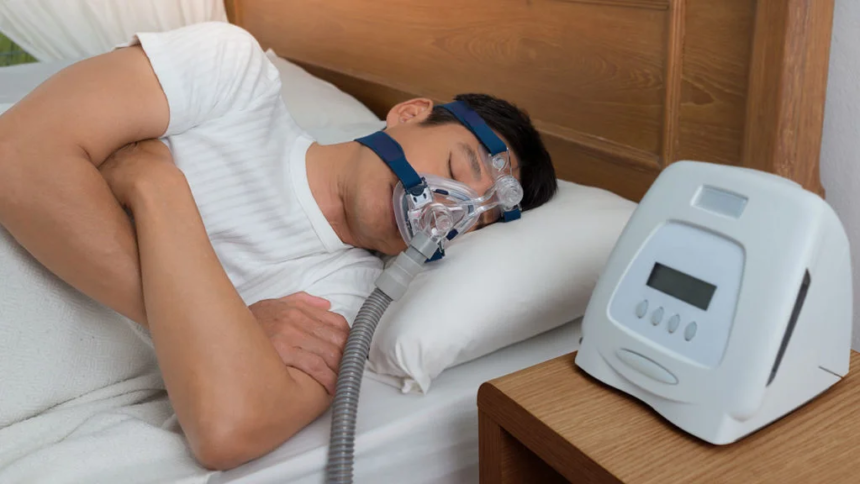
Continuous Positive Airway Pressure (CPAP) therapy is considered the most effective treatment for moderate to severe obstructive sleep apnea.
The CPAP machine gently pushes air through a mask worn during sleep. This keeps the airway open and prevents breathing pauses.
Benefits include:
- Better sleep quality
- Reduced snoring
- Increased daytime energy
- Lower blood pressure
- Improved heart health
Although it may feel unusual at first, most people adjust after a few weeks.
3. Oral Appliances
Some patients prefer a custom-made dental device.
These mouthpieces gently move the jaw forward to keep the airway open during sleep.
Oral appliances are often recommended for mild to moderate obstructive sleep apnea or for people who cannot tolerate CPAP therapy.
4. Surgery
Surgery may be recommended when other treatments do not work.
Common surgical procedures include:
- Removing enlarged tonsils
- Removing excess throat tissue
- Correcting nasal blockages
- Jaw repositioning surgery
- Implanting devices that stimulate airway muscles
The type of surgery depends on the cause of the airway blockage.
5. Treatment for Central Sleep Apnea
Central sleep apnea treatment focuses on the underlying medical condition.
Doctors may recommend:
- Oxygen therapy
- Adaptive servo-ventilation (ASV)
- BiPAP therapy
- Medication adjustments
- Treating heart or neurological conditions
Living with Sleep Apnea
Many people successfully manage sleep apnea and enjoy healthy lives.
Some helpful daily habits include:
- Using your CPAP machine every night
- Cleaning equipment regularly
- Maintaining a healthy weight
- Sleeping for 7 to 9 hours
- Avoiding sleeping pills unless prescribed
- Attending regular medical check-ups
- Following your treatment plan
Consistency is the key to successful treatment.
Can Sleep Apnea Be Prevented?
Not every case can be prevented, but healthy habits can reduce the risk.
You can lower your chances by:
- Maintaining a healthy body weight
- Exercising most days of the week
- Avoiding smoking
- Limiting alcohol intake
- Sleeping on your side
- Treating allergies and nasal congestion
- Getting regular health check-ups
These habits also improve your overall health.
When Should You See a Doctor?
You should contact a healthcare provider if you experience:
- Loud snoring every night
- Breathing pauses during sleep
- Extreme daytime tiredness
- Morning headaches
- Trouble concentrating
- Falling asleep while driving or working
Getting help early can prevent serious health complications.
Conclusion
Sleep apnea is a common but serious sleep disorder that affects millions of people around the world. It causes repeated interruptions in breathing during sleep, leading to poor rest and increasing the risk of many health problems. Fortunately, advances in sleep apnea diagnosis and treatment have made it easier than ever to identify the condition and manage it successfully.
Diagnosis usually involves a physical examination and a sleep study, while treatment may include lifestyle changes, CPAP therapy, oral appliances, or surgery, depending on the severity of the condition. The right treatment can improve sleep quality, increase energy levels, reduce health risks, and enhance overall quality of life.
If you or someone you know experiences loud snoring, breathing pauses during sleep, or constant daytime fatigue, do not ignore the symptoms. Seeking medical advice and starting treatment early can make a significant difference. Healthy sleep is essential for a healthy life, and managing sleep apnea is an important step toward long-term well-being.
Frequently Asked Questions (FAQs)
1. What is the main cause of sleep apnea?
The most common cause is a blocked airway due to relaxed throat muscles during sleep. Being overweight, smoking, alcohol use, and certain medical conditions can increase the risk.
2. Can sleep apnea be cured?
Some mild cases improve with weight loss and lifestyle changes. Others can be effectively managed with treatments such as CPAP therapy, oral appliances, or surgery, depending on the cause.
3. Is loud snoring always a sign of sleep apnea?
No. While loud snoring is a common symptom, not everyone who snores has sleep apnea. However, snoring combined with choking, gasping, or daytime sleepiness should be evaluated by a healthcare provider.
4. How is sleep apnea diagnosed?
Doctors usually diagnose sleep apnea through a physical examination, medical history, and a sleep study conducted either in a sleep clinic or at home with a portable monitoring device.
5. What happens if sleep apnea is left untreated?
Untreated sleep apnea can increase the risk of high blood pressure, heart disease, stroke, diabetes, depression, memory problems, and daytime fatigue that may lead to accidents.