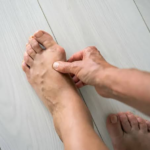



Heel pain is one of the most common foot problems that affects people of all ages. Whether you are an athlete, a working professional, or someone who spends long hours on their feet, heel pain can make everyday activities difficult. Even simple tasks like walking, climbing stairs, or standing for a few minutes may become painful.
- What Is Heel Pain?
- Who Is a Heel Pain Treatment Specialist?
- Common Causes of Heel Pain
- Signs You Should See a Heel Pain Treatment Specialist
- How a Heel Pain Treatment Specialist Diagnoses the Problem
- Heel Pain Treatment Options
- Rest and Activity Modification
- Ice Therapy
- Stretching Exercises
- Physical Therapy
- Supportive Footwear
- Orthotic Inserts
- Anti-Inflammatory Medication
- Night Splints
- Corticosteroid Injections
- Advanced Treatments
- How to Prevent Heel Pain
- Why Choose a Heel Pain Treatment Specialist?
- Recovery Time
- Final Thoughts
- Frequently Asked Questions (FAQs)
If your heel pain continues for several days or keeps coming back, it is time to visit a heel pain treatment specialist. A specialist can identify the exact cause of your pain and create a treatment plan that helps you recover safely and effectively.
In this guide, you will learn about the common causes of heel pain, symptoms to watch for, available treatment options, and why choosing a heel pain treatment specialist is the best decision for your foot health.
What Is Heel Pain?
Heel pain is discomfort that occurs under, behind, or around the heel. It may begin as a mild ache and gradually become more severe if left untreated. Some people experience pain only in the morning, while others feel discomfort throughout the day.
Heel pain is not a disease itself. Instead, it is usually a sign of an underlying condition affecting the bones, muscles, tendons, or ligaments in the foot.
Ignoring heel pain can lead to more serious problems, making early diagnosis and treatment very important.
Who Is a Heel Pain Treatment Specialist?
A heel pain treatment specialist is a healthcare professional with experience in diagnosing and treating conditions that affect the heel and foot. They carefully examine your symptoms, review your medical history, and may recommend imaging tests such as X-rays or ultrasound if needed.
Their goal is not only to relieve pain but also to treat the root cause so that the problem does not return.
A specialist creates a personalized treatment plan based on your lifestyle, age, activity level, and the condition causing your heel pain.
Common Causes of Heel Pain
There are several reasons why heel pain develops. Understanding the cause is the first step toward effective treatment.
Plantar Fasciitis
Plantar fasciitis is the most common cause of heel pain. It happens when the plantar fascia, a thick band of tissue connecting the heel bone to the toes, becomes inflamed.
Symptoms include:
- Sharp pain under the heel
- Pain that is worse in the morning
- Pain after long periods of sitting
- Discomfort after exercise
Heel Spurs
Heel spurs are small calcium deposits that develop on the heel bone. They often occur with plantar fasciitis but do not always cause pain.
Achilles Tendinitis
The Achilles tendon connects the calf muscles to the heel bone. Overuse, sports activities, or sudden increases in exercise can cause inflammation in this tendon.
Bursitis
Small fluid-filled sacs called bursae help cushion the joints. When these sacs become inflamed, they can cause pain around the heel.
Stress Fractures
Repeated pressure on the heel may create tiny cracks in the bone known as stress fractures. This condition is more common in runners and athletes.
Nerve Compression
Sometimes, nerves around the heel become compressed or irritated, leading to burning, tingling, or sharp pain.
Signs You Should See a Heel Pain Treatment Specialist
While mild heel pain may improve with rest, some symptoms require professional care.
Visit a heel pain treatment specialist if you experience:
- Heel pain lasting more than one week
- Severe pain while walking
- Swelling around the heel
- Redness or warmth
- Pain that gets worse over time
- Difficulty standing or walking
- Pain after an injury
Early treatment often leads to faster recovery and prevents long-term complications.
How a Heel Pain Treatment Specialist Diagnoses the Problem
Accurate diagnosis is essential for successful treatment.
During your appointment, the specialist may:
- Ask about your symptoms
- Examine your foot and ankle
- Check your walking pattern
- Press different areas of your heel
- Test flexibility and strength
- Recommend X-rays or MRI scans if necessary
This thorough evaluation helps identify the exact cause of your pain.
Heel Pain Treatment Options
Treatment depends on the condition causing the pain. Most patients improve without surgery.
Rest and Activity Modification
Reducing activities that put pressure on your heel gives damaged tissues time to heal.
Ice Therapy
Applying ice for 15 to 20 minutes several times a day helps reduce pain and inflammation.
Stretching Exercises
Gentle stretching improves flexibility in the plantar fascia and calf muscles.
Common stretches include:
- Calf stretch
- Plantar fascia stretch
- Toe stretch
- Achilles tendon stretch
Physical Therapy
A physical therapist teaches exercises that strengthen the muscles supporting the foot and improve movement.
Supportive Footwear
Proper shoes provide cushioning and reduce pressure on the heel.
Choose shoes that offer:
- Good arch support
- Soft heel cushioning
- Stable soles
- Comfortable fit
Avoid wearing worn-out shoes or walking barefoot on hard floors.
Orthotic Inserts
Custom or over-the-counter shoe inserts help distribute pressure evenly across the foot and improve alignment.
Anti-Inflammatory Medication
Your specialist may recommend medication to reduce pain and swelling. Always follow medical advice before taking any medication.
Night Splints
Night splints gently stretch the plantar fascia while you sleep, reducing morning heel pain.
Corticosteroid Injections
For severe cases, injections may reduce inflammation and provide temporary pain relief.
Advanced Treatments
If conservative treatments do not work, your heel pain treatment specialist may recommend advanced options such as:
- Shockwave therapy
- Platelet-rich plasma (PRP) therapy
- Laser therapy
- Surgical treatment in rare cases
Most patients recover without needing surgery.
How to Prevent Heel Pain
Preventing heel pain is often easier than treating it.
Here are some helpful tips:
- Wear supportive shoes every day.
- Stretch before and after exercise.
- Maintain a healthy body weight.
- Replace worn-out athletic shoes regularly.
- Increase exercise intensity gradually.
- Avoid standing for long periods without breaks.
- Use cushioned insoles if recommended.
- Rest your feet when they feel tired.
Healthy foot habits can greatly reduce the risk of future heel problems.
Why Choose a Heel Pain Treatment Specialist?
Many people try home remedies for months before seeking professional help. While home care can be useful for mild pain, persistent symptoms often require expert evaluation.
A heel pain treatment specialist provides:
- Accurate diagnosis
- Personalized treatment plans
- Modern treatment methods
- Long-term pain management
- Prevention strategies
- Faster recovery
- Improved mobility
Instead of treating only the symptoms, specialists focus on identifying and correcting the underlying cause.
Recovery Time
Recovery depends on the severity of the condition and how early treatment begins.
Many patients notice improvement within a few weeks after starting treatment. More severe conditions may require several months of consistent care.
Following your specialist’s advice, completing prescribed exercises, and wearing supportive footwear can speed up recovery.
Final Thoughts
Heel pain should never be ignored. What starts as a small discomfort can eventually affect your daily routine, work, exercise, and overall quality of life.
A qualified heel pain treatment specialist can accurately diagnose the cause of your pain and recommend the most effective treatment plan for your needs. From conservative care such as stretching and supportive footwear to advanced therapies for stubborn cases, there are many effective ways to relieve heel pain.
Seeking treatment early not only reduces pain but also helps prevent long-term complications. If your heel pain is persistent or getting worse, consult a specialist and take the first step toward healthier, pain-free feet.
Frequently Asked Questions (FAQs)
1. When should I visit a heel pain treatment specialist?
You should visit a heel pain treatment specialist if your pain lasts more than a week, becomes severe, or interferes with walking and daily activities.
2. What is the most common cause of heel pain?
Plantar fasciitis is the most common cause of heel pain. It occurs when the plantar fascia becomes inflamed due to overuse or excessive stress.
3. Can heel pain go away without treatment?
Mild heel pain may improve with rest, stretching, and supportive footwear. However, persistent or recurring pain should be evaluated by a specialist to prevent further complications.
4. Is surgery necessary for heel pain?
Most cases of heel pain can be successfully treated with non-surgical methods such as physical therapy, orthotics, stretching exercises, and medication. Surgery is only considered when other treatments have not been effective.
5. How can I prevent heel pain from returning?
Wear supportive shoes, stretch regularly, maintain a healthy weight, avoid overuse, replace worn-out footwear, and follow your specialist’s recommendations to reduce the risk of future heel pain.