

A stroke is one of the most serious health conditions that can affect a person. It happens when the blood supply to the brain is interrupted, causing brain cells to become damaged. After a stroke, many people experience difficulty with movement, balance, speech, and everyday activities. This is where stroke rehabilitation physical therapy plays a vital role.
- Strength Training
- Balance Training
- Gait Training
- Stretching Exercises
- Functional Training
- Electrical Stimulation
- Ankle Pumps
- Seated Marching
- Arm Reaching
- Sit-to-Stand Practice
- Walking Practice
- Healthy Diet
- Regular Exercise
- Good Sleep
- Stress Management
- Avoid Smoking
- Limit Alcohol
- 1. What is stroke rehabilitation physical therapy?
- 2. How soon should physical therapy begin after a stroke?
- 3. Can a person fully recover after a stroke?
- 4. How often should stroke patients do physical therapy?
- 5. Is physical therapy painful after a stroke?
Physical therapy helps stroke survivors regain strength, improve movement, and become more independent. Recovery may take weeks, months, or even years, but with the right treatment and dedication, many people can return to a healthy and active lifestyle.
In this article, we will explain everything you need to know about stroke rehabilitation physical therapy, including its benefits, techniques, recovery process, exercises, and frequently asked questions.
What Is Stroke Rehabilitation Physical Therapy?
Stroke rehabilitation physical therapy is a treatment program designed to help people recover their physical abilities after a stroke. A licensed physical therapist works with the patient to improve movement, muscle strength, balance, coordination, and walking.
Every stroke affects people differently. Some patients may only have mild weakness, while others may lose movement in one side of the body. Because of this, physical therapy programs are personalized to meet each patient’s specific needs.
The main goal is to help patients perform daily activities safely and independently.
Why Is Physical Therapy Important After a Stroke?
Physical therapy is one of the most important parts of stroke recovery. Without regular movement and exercise, muscles can become weak and stiff. Patients may also lose confidence in walking or performing simple tasks.
Physical therapy helps by:
- Improving muscle strength
- Restoring movement in affected arms and legs
- Increasing balance and coordination
- Reducing muscle stiffness
- Improving walking ability
- Preventing falls
- Reducing pain
- Encouraging independence
- Boosting confidence and mental health
Starting rehabilitation early often leads to better recovery outcomes.
When Should Stroke Rehabilitation Begin?
Doctors usually recommend beginning rehabilitation as soon as the patient’s medical condition is stable. In many cases, physical therapy starts within 24 to 48 hours after the stroke.
Early therapy helps prevent muscle weakness and keeps the joints flexible.
However, recovery is still possible even if therapy starts weeks or months later. The brain has an amazing ability to adapt and create new pathways, a process known as neuroplasticity.
Goals of Stroke Rehabilitation Physical Therapy
Every patient’s recovery journey is unique, but physical therapy generally focuses on several important goals.
These goals include:
- Regaining muscle strength
- Improving body movement
- Learning to walk again
- Increasing balance
- Improving posture
- Building endurance
- Preventing muscle shortening
- Reducing dependence on caregivers
- Improving quality of life
The therapist regularly measures progress and updates the treatment plan.
Common Problems After a Stroke
A stroke can affect different parts of the body depending on the area of the brain that was damaged.
Some common problems include:
Muscle Weakness
Many patients experience weakness on one side of the body, making it difficult to lift objects or walk.
Poor Balance
Standing or walking may become unsafe because balance is affected.
Limited Range of Motion
Joints can become stiff if they are not moved regularly.
Difficulty Walking
Some patients drag one foot or struggle to coordinate their steps.
Fatigue
Simple activities may require much more energy than before.
Pain
Shoulder pain and muscle discomfort are common during recovery.
Physical therapy addresses all of these issues step by step.
How Physical Therapists Help Stroke Patients
A physical therapist first performs a complete assessment.
They evaluate:
- Muscle strength
- Walking ability
- Balance
- Flexibility
- Coordination
- Joint movement
- Pain level
- Functional independence
After the assessment, a personalized rehabilitation plan is created.
The therapist monitors improvement and adjusts exercises as recovery continues.
Common Physical Therapy Techniques
Different therapy methods are used depending on the patient’s condition.
Strength Training
Weak muscles are strengthened using safe exercises.
Examples include:
- Leg lifts
- Squats with support
- Resistance bands
- Step-ups
- Arm strengthening exercises
Strength training improves mobility and independence.
Balance Training
Balance exercises reduce the risk of falling.
Examples include:
- Standing on one leg
- Weight shifting
- Walking in straight lines
- Heel-to-toe walking
- Sitting balance exercises
Improved balance makes daily activities much safer.
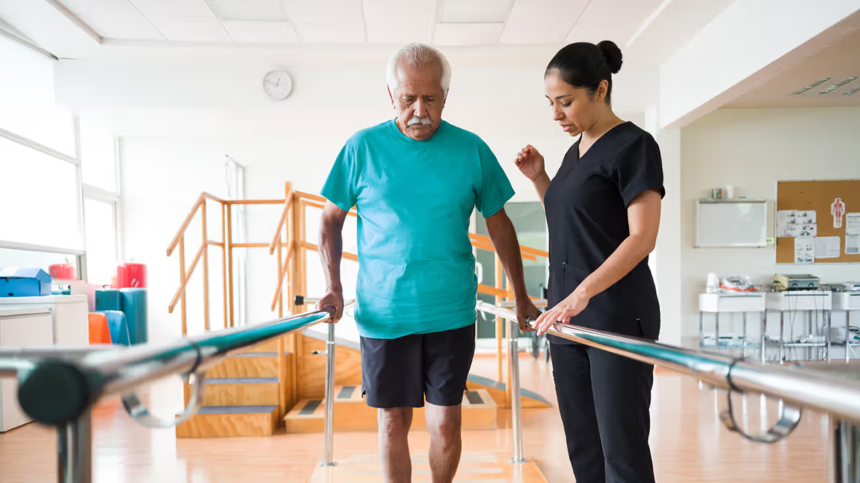
Gait Training
Gait training teaches patients how to walk correctly again.
Therapists may use:
- Parallel bars
- Walkers
- Canes
- Treadmills
- Body-weight support systems
Walking becomes smoother and more stable over time.
Stretching Exercises
Stretching keeps muscles flexible and prevents stiffness.
Regular stretching helps maintain joint movement and reduces discomfort.
Functional Training
Patients practice everyday activities like:
- Standing from a chair
- Climbing stairs
- Getting into bed
- Dressing
- Reaching objects
- Carrying light items
These exercises prepare patients for daily life.
Electrical Stimulation
Some therapists use electrical stimulation to activate weak muscles.
Small electrical impulses encourage muscles to contract, helping improve strength and movement.
Exercises Used During Stroke Rehabilitation
The therapist selects exercises based on the patient’s abilities.
Some common exercises include:
Ankle Pumps
Moving the feet up and down improves blood circulation and ankle mobility.
Seated Marching
Patients lift one knee at a time while sitting.
This strengthens hip muscles.
Arm Reaching
Patients reach toward objects placed at different heights.
This improves shoulder movement.
Sit-to-Stand Practice
Standing up from a chair strengthens the legs and improves independence.
Walking Practice
Walking short distances every day gradually builds confidence and endurance.
The Role of Family During Recovery
Family support plays an important role in successful rehabilitation.
Family members can help by:
- Encouraging daily exercises
- Providing emotional support
- Creating a safe home environment
- Attending therapy sessions
- Celebrating small improvements
- Helping with healthy meals
- Motivating the patient
Positive encouragement often improves recovery.
Lifestyle Changes That Support Recovery
Physical therapy works best when combined with healthy habits.
Important lifestyle changes include:
Healthy Diet
Eating fruits, vegetables, lean proteins, and whole grains supports healing.
Regular Exercise
Daily movement keeps muscles active and prevents weakness.
Good Sleep
The brain repairs itself during sleep.
Stress Management
Stress can slow recovery. Relaxation techniques may help.
Avoid Smoking
Smoking increases the risk of another stroke.
Limit Alcohol
Excessive alcohol can interfere with recovery.
How Long Does Stroke Rehabilitation Take?
Recovery time is different for everyone.
Some patients improve within a few weeks, while others continue improving for several years.
Recovery depends on factors such as:
- Stroke severity
- Age
- Overall health
- Motivation
- Family support
- Consistency of therapy
Many people continue making progress long after leaving the hospital.
Benefits of Stroke Rehabilitation Physical Therapy
Regular therapy provides many long-term benefits.
These include:
- Better movement
- Stronger muscles
- Improved balance
- Greater independence
- Easier walking
- Reduced fall risk
- Improved confidence
- Better posture
- Increased flexibility
- Higher quality of life
Even small improvements can make everyday tasks much easier.
Challenges During Recovery
Recovery is not always easy.
Patients may experience:
- Slow progress
- Frustration
- Muscle stiffness
- Fatigue
- Fear of falling
- Emotional changes
Patience is important. Every small improvement is a step toward better health.
Tips for Successful Stroke Rehabilitation
Following a few simple tips can improve recovery.
- Attend every therapy session.
- Practice home exercises daily.
- Stay positive and patient.
- Follow your doctor’s advice.
- Eat healthy meals.
- Stay hydrated.
- Get enough rest.
- Ask for help when needed.
- Set realistic goals.
- Celebrate every achievement, no matter how small.
Consistency is the key to long-term improvement.
Conclusion
Stroke rehabilitation physical therapy is one of the most effective ways to help stroke survivors regain movement, strength, and independence. Although recovery takes time and effort, regular physical therapy can significantly improve mobility, balance, and overall quality of life.
Each recovery journey is different, but with early treatment, professional guidance, family support, and daily practice, many stroke survivors achieve remarkable progress. Staying committed to therapy and maintaining a healthy lifestyle can help patients rebuild confidence and return to many of their normal daily activities.
Frequently Asked Questions (FAQs)
1. What is stroke rehabilitation physical therapy?
Stroke rehabilitation physical therapy is a specialized treatment that helps stroke survivors improve movement, strength, balance, and walking through personalized exercises and training.
2. How soon should physical therapy begin after a stroke?
Physical therapy usually starts within 24 to 48 hours after a stroke if the patient is medically stable. Early rehabilitation often leads to better recovery outcomes.
3. Can a person fully recover after a stroke?
Recovery varies from person to person. Some people recover almost completely, while others may continue improving over months or years with consistent therapy and support.
4. How often should stroke patients do physical therapy?
The schedule depends on the patient’s condition and healthcare provider’s recommendations. Many patients attend therapy several times a week and also perform daily home exercises.
5. Is physical therapy painful after a stroke?
Physical therapy should not cause severe pain. Some exercises may lead to mild muscle soreness, but therapists adjust treatment to ensure it remains safe, comfortable, and effective.