

Physical therapy offers a structured, evidence-based approach to managing and reducing pain. While it applies to a wide range of conditions, its core focus remains on restoring function and comfort through targeted interventions. Patients recovering from injury, surgery, or chronic illness can benefit, and the techniques employed are designed to address pain at its source. Here is more information on what physical therapy is, who it helps, and the specific methods used to support recovery:
What Is Physical Therapy?
Physical therapy is a healthcare discipline focused on restoring movement, reducing pain, and improving physical function. Therapists assess each patient’s condition, and they develop a personalized treatment plan tailored to their specific needs. No two patients present with identical conditions, so treatment plans vary in structure. These plans typically combine hands-on techniques, guided exercises, and patient education to support recovery and long-term health. Each intervention addresses the patient’s unique physical demands.
Who Does It Help?
Physical therapy benefits a wide range of patients across varying health backgrounds and age groups. Those who may benefit from physical therapy include:
- Individuals recovering from surgeries, sports injuries, or accidents
- Patients managing chronic conditions such as arthritis or back pain
- Older adults experiencing age-related decline in mobility and strength
- Individuals with neurological conditions such as stroke or Parkinson’s disease
What Are Innovative Techniques?
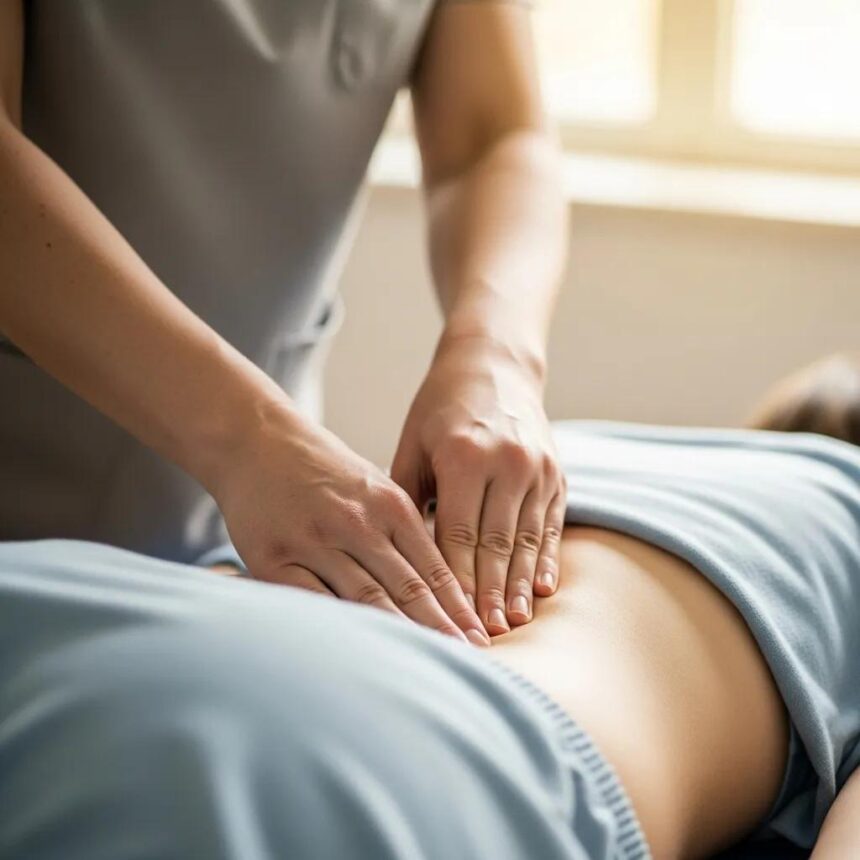
Several hands-on techniques are used in physical therapy to address pain and restricted movement. These methods are selected based on the patient’s diagnosis, pain levels, and recovery goals, and they may be combined to improve outcomes. Massage therapy involves the systematic manipulation of soft tissues, including muscles and connective tissue. Therapists apply targeted pressure to reduce muscle tension and increase circulation, which promotes tissue healing.
Joint mobilization is a technique in which a therapist applies gentle, controlled movements to a stiff or painful joint. The goal is to restore normal joint mechanics, and this process simultaneously reduces discomfort. Patients with conditions like osteoarthritis or post-surgical stiffness may respond well to this approach because it targets compromised joint function.
Manual traction involves applying a gentle pulling force to the spine or limbs to decompress joints and relieve nerve pressure; it may be used for patients with herniated discs or spinal stenosis. Stretching targets muscles, tendons, and ligaments that have become shortened or tight due to injury, inactivity, or chronic tension. Therapists guide patients through both passive and active stretching protocols, which are designed to improve flexibility and range of motion. Consistent stretching contributes to better posture, and it helps reduce the risk of future injury.
How Do They Relieve Pain?
Each technique works through distinct physiological mechanisms. Massage therapy and stretching stimulate blood flow to damaged or tense tissues; this accelerates the delivery of oxygen and nutrients needed for repair. It also helps clear metabolic waste products that accumulate in injured areas, which contribute to pain and inflammation.
Joint mobilization and manual traction reduce mechanical compression on nerves and joint surfaces. When a joint moves freely and without restriction, the surrounding muscles no longer need to compensate or guard against pain, which further reduces tension. Patients may notice improvements in both comfort and mobility, making these techniques valuable components of a structured therapy plan. Repeated therapy sessions can retrain pain pathways in the brain, and this process helps reduce overall sensitivity to pain over time.
Find Relief Today
Physical therapy uses targeted, hands-on techniques to address the root causes of pain. By restoring movement, reducing compression, and improving circulation, these methods support immediate relief, and they may facilitate long-term recovery. If you are looking to learn more, speak with a licensed physical therapist.