


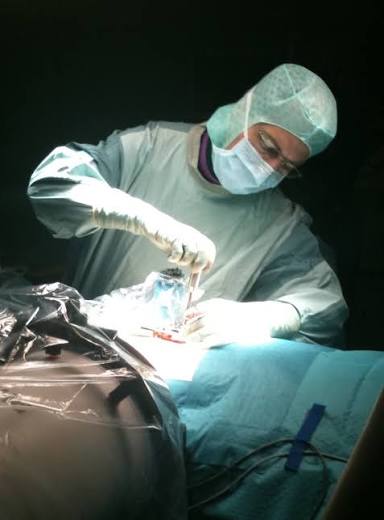
Robotic spine surgery combines advanced technology with surgical skill, and it helps to minimize tissue disruption. A surgeon guides the procedure, and a robotic system supports each step. When you understand how this technology works, you can be more prepared for your appointment. Here are the main parts of the process so you know what to expect:
Creating a 3D Model
The process starts with detailed imaging of your spine. Your surgical team takes scans, and software builds a three-dimensional model from them. This model shows the exact shape and structure of your spine. Since the model is specific to you, your surgeon plans around your anatomy.
The team studies this model before the operation begins. They map out screw placement, and they mark angles for each movement. When planning happens ahead of time, fewer decisions are made mid-surgery. This preparation gives the surgeon a clear reference for robotic spine surgery.
Using a Robotic Arm
A robotic arm follows the plan built from your 3D model. The surgeon controls the arm, and the system holds it steady along set paths. The arm does not act on its own. Your surgeon directs every motion while the robotic system provides support.
The robotic arm helps guide tools to planned locations. When the arm stays fixed on a mapped route, the surgeon works with a steady reference point. This setup pairs human judgment with mechanical stability, and both work together throughout the operation.
The robotic system enhances precision, which is needed when working in delicate areas of the body. It is designed to follow the surgeon’s lead without deviation. By combining advanced technology with the expertise of a skilled professional, the system promotes both accuracy and patient safety during the procedure.
Increasing Precision
Precision matters when a surgeon works near the spine. The robotic system tracks position in real time, and it compares each move against the plan. Small deviations show up quickly. Since the system monitors alignment, the surgeon adjusts before continuing.
During a procedure, a surgeon may place several components. These often include:
- Screws along the vertebrae
- Rods that connect placement points
- Spacers between spinal segments
The plan sets each location in advance, and the arm helps guide placement. When the surgeon follows mapped coordinates, the margin for error narrows. This alignment stays consistent from the first step to the last.
Minimizing Damage to Surrounding Tissue
Spine surgery involves muscles, nerves, and other tissue near the operation site. Smaller incisions reduce disruption, and mapped paths limit unnecessary movement. The surgeon reaches the target through a planned route. Since the approach is defined early, the team avoids extra exploration during surgery.
Careful planning shapes how the surgeon reaches the spine. A defined route may help protect nearby structures, and steady guidance keeps tools on course. When the path stays narrow and direct, less tissue gets moved aside.
Schedule Robotic Spine Surgery
Robotic spine surgery pairs surgical expertise with detailed planning and mechanical guidance. The technology builds a model, supports the surgeon’s hands, and tracks each movement. If you have questions about this option, talk with a spine specialist about your situation. Contact a surgeon today to schedule a consultation and learn whether this approach fits your needs.