


Introduction
Good health is one of the greatest gifts in life. Many women spend their time taking care of their families, careers, and daily responsibilities, but they often forget to take care of themselves. One of the best ways to protect your health is through preventive health screening.
- Introduction
- What Is Preventive Health Screening?
- Why Preventive Health Screening Is Important for Women
- Common Preventive Health Screenings for Women
- 1. Blood Pressure Check
- 2. Cholesterol Test
- 3. Blood Sugar Test
- 4. Breast Cancer Screening
- 5. Cervical Cancer Screening
- 6. Bone Density Test
- 7. Eye Examination
- 8. Dental Checkup
- 9. Skin Examination
- Health Screenings by Age
- Healthy Lifestyle Habits That Support Preventive Care
- Benefits of Early Detection
- How to Prepare for a Health Screening
- Overcoming Common Barriers
- Conclusion
- 1. What is preventive health screening for women?
- 2. How often should women have health screenings?
- 3. At what age should women start preventive health screenings?
- 4. Can preventive health screenings reduce the risk of serious diseases?
- 5. Are preventive health screenings only necessary if I have symptoms?
Preventive health screening means having regular medical tests and checkups before you feel sick. These screenings help doctors find health problems early, often before symptoms appear. Early detection makes treatment easier, less expensive, and more successful.
Every woman, no matter her age, should understand the importance of preventive health screening. It is a simple step that can lead to a healthier, longer, and happier life.
What Is Preventive Health Screening?
Preventive health screening is a group of medical tests that check your overall health and look for diseases at an early stage. Instead of waiting until you become ill, these screenings help identify possible health issues before they become serious.
Doctors recommend different screenings based on your:
- Age
- Family medical history
- Lifestyle
- Personal health conditions
- Pregnancy status
These tests allow healthcare providers to detect diseases early and create treatment plans before problems become severe.
Why Preventive Health Screening Is Important for Women
Women’s bodies go through many changes during different stages of life. Hormonal changes, pregnancy, menopause, and aging can all affect health.
Regular health screenings help women:
- Detect diseases early
- Lower the risk of serious health problems
- Improve quality of life
- Reduce healthcare costs
- Increase the chances of successful treatment
- Stay active and independent
Many serious illnesses, such as breast cancer, cervical cancer, diabetes, and high blood pressure, often develop without noticeable symptoms. Screening can identify these conditions before they cause lasting damage.
Common Preventive Health Screenings for Women
1. Blood Pressure Check
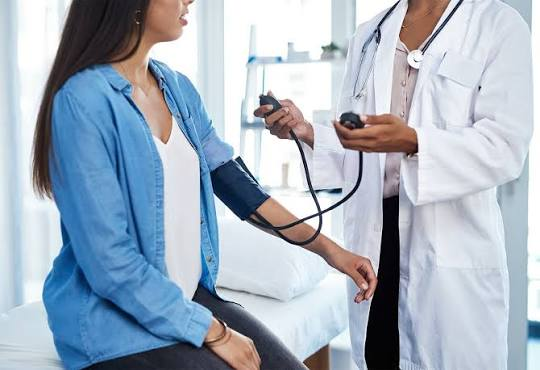
High blood pressure is known as a “silent disease” because it usually has no warning signs.
Regular blood pressure checks help detect:
- Hypertension
- Heart disease risk
- Stroke risk
- Kidney disease
Adults should have their blood pressure checked regularly, especially after the age of 18.
2. Cholesterol Test
High cholesterol can increase the risk of heart disease.
A cholesterol test measures:
- Total cholesterol
- HDL (good cholesterol)
- LDL (bad cholesterol)
- Triglycerides
Healthy cholesterol levels support a healthy heart and blood vessels.
3. Blood Sugar Test
Diabetes affects millions of women worldwide.
A blood sugar screening helps detect:
- Prediabetes
- Type 2 diabetes
- High blood sugar levels
Finding diabetes early helps prevent complications such as kidney disease, nerve damage, and vision problems.
4. Breast Cancer Screening
Breast cancer is one of the most common cancers in women.
Screening includes:
- Breast self-awareness
- Clinical breast examination
- Mammogram
A mammogram can detect small tumors before they can be felt by hand.
Women should discuss the right screening schedule with their healthcare provider based on their age and family history.
5. Cervical Cancer Screening
Cervical cancer can often be prevented through regular screening.
Doctors may recommend:
- Pap test
- HPV test
These tests detect abnormal cells that may develop into cancer if left untreated.
Regular screening has greatly reduced cervical cancer deaths.
6. Bone Density Test
As women age, bones naturally become weaker.
A bone density test checks for:
- Osteoporosis
- Bone loss
- Fracture risk
Women after menopause have a higher chance of developing osteoporosis.
7. Eye Examination
Regular eye exams help detect:
- Glaucoma
- Cataracts
- Vision problems
- Diabetic eye disease
Healthy vision is an important part of overall well-being.
8. Dental Checkup
Oral health affects the entire body.
Routine dental visits help prevent:
- Tooth decay
- Gum disease
- Mouth infections
- Tooth loss
Many health conditions can first show signs inside the mouth.
9. Skin Examination
Skin cancer is becoming more common.
Checking your skin regularly helps identify:
- New moles
- Changes in existing moles
- Unusual skin growths
Early treatment usually leads to better outcomes.
Health Screenings by Age
Women in Their 20s
During your twenties, focus on building healthy habits.
Recommended screenings include:
- Blood pressure
- Weight and BMI
- Cervical cancer screening
- STI testing if needed
- Mental health assessment
- Dental and eye exams
Women in Their 30s
Your thirties are a good time to continue regular health checks.
Recommended screenings include:
- Blood pressure
- Cholesterol
- Blood sugar if at risk
- Pap test
- Breast examination
- Thyroid evaluation if recommended
Women in Their 40s
Health risks begin to increase during your forties.
Important screenings include:
- Mammograms
- Diabetes screening
- Cholesterol testing
- Blood pressure checks
- Colon cancer screening when recommended
- Eye examination
Women Aged 50 and Older
Women over 50 should continue regular health screenings.
Important tests include:
- Mammograms
- Bone density testing
- Colon cancer screening
- Blood pressure
- Diabetes screening
- Vision and hearing tests
- Vaccination updates
Regular checkups become even more important as the body ages.
Healthy Lifestyle Habits That Support Preventive Care
Health screening works best when combined with healthy daily habits.
Try to:
- Eat plenty of fruits and vegetables.
- Choose whole grains instead of refined foods.
- Exercise for at least 30 minutes most days.
- Drink enough water.
- Sleep for 7 to 9 hours each night.
- Avoid smoking and tobacco products.
- Limit alcohol consumption.
- Manage stress through relaxation, hobbies, or meditation.
- Maintain a healthy weight.
- Keep all recommended medical appointments.
Small daily choices can make a big difference over time.
Benefits of Early Detection
Many diseases can be treated more successfully when found early.
Early detection can:
- Save lives
- Reduce treatment costs
- Prevent complications
- Improve recovery
- Lower the need for major surgery
- Help people continue their normal activities
Instead of treating advanced disease, preventive screening focuses on protecting long-term health.
How to Prepare for a Health Screening
Preparing for a health screening is simple.
Here are a few helpful tips:
- Bring your medical records if available.
- Make a list of any medications you take.
- Know your family’s health history.
- Follow any fasting instructions if required.
- Write down questions for your doctor.
- Wear comfortable clothing.
- Arrive on time for your appointment.
Being prepared helps you get the most from your visit.
Overcoming Common Barriers
Some women avoid health screenings because they feel nervous, busy, or worried about the results.
Remember:
- Early diagnosis offers the best chance for successful treatment.
- Most screening tests are quick and simple.
- Taking one day for your health can protect many years of your future.
- Your health is just as important as the people you care for.
Making preventive care a priority is an investment in yourself.
Conclusion
Preventive health screening for women is one of the smartest ways to protect long-term health. Regular checkups can detect diseases before symptoms appear, allowing for earlier treatment and better outcomes. Whether you are in your twenties or your sixties, staying informed about recommended screenings can help you enjoy a healthier and more active life.
Good nutrition, regular exercise, enough sleep, and routine medical checkups work together to support overall wellness. By making preventive health screening part of your healthcare routine, you are taking an important step toward a healthier future for yourself and your loved ones.
Frequently Asked Questions (FAQs)
1. What is preventive health screening for women?
Preventive health screening includes regular medical tests and checkups that help detect diseases early before symptoms develop. Early detection improves treatment success and supports better overall health.
2. How often should women have health screenings?
The frequency depends on your age, medical history, and personal risk factors. Your healthcare provider can recommend the right schedule for your specific needs.
3. At what age should women start preventive health screenings?
Many screenings, such as blood pressure checks and routine physical exams, begin in early adulthood. Other screenings, like mammograms and bone density tests, are generally recommended later in life based on age and individual risk.
4. Can preventive health screenings reduce the risk of serious diseases?
Yes. While screenings cannot always prevent disease, they can detect health problems early, making treatment more effective and helping reduce complications.
5. Are preventive health screenings only necessary if I have symptoms?
No. Preventive screenings are designed for people who feel healthy. Many conditions, including high blood pressure, diabetes, and some cancers, may not cause symptoms in their early stages, making regular screening especially important.