


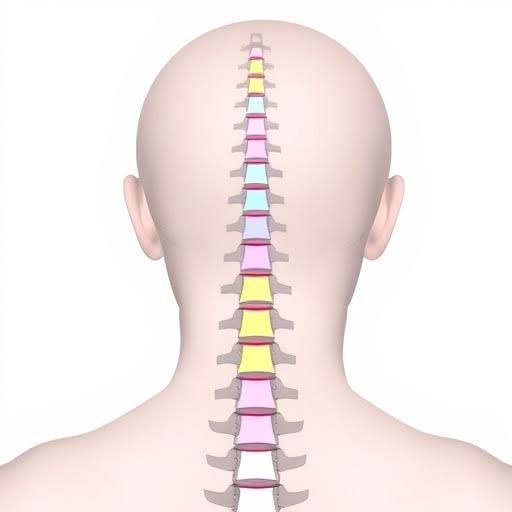
Long-term pain that lingers for months or years can affect nearly every part of daily life. When standard treatments no longer bring relief, some people explore options that work directly with the nervous system. Spinal cord stimulation is one such approach; it uses a small device to send gentle electrical signals to the spinal cord, with the goal of changing how the body perceives certain pain signals.
What Is Spinal Cord Stimulation?
Spinal cord stimulation, sometimes shortened to SCS, is a treatment that involves a small implanted device. The device delivers mild electrical pulses to the spinal cord through thin wires called leads. These leads connect to a compact generator, similar in concept to a pacemaker, and it is placed under the skin.
The purpose of the device is to interrupt or modify pain messages before they travel through the nervous system and reach the brain. People who look into this option may have already tried other treatments, such as medication or physical therapy, without lasting results. The device can often be tested before permanent placement; patients have the chance to gauge how their body responds during a trial period.
What Should You Expect?
Different types of stimulation patterns exist, and some produce a light tingling sensation while others operate without any noticeable feeling. A medical professional programs the device to match the patient’s specific pattern of discomfort. The settings can be refined as needs change or as the body adapts. Battery options vary between different systems. Some generators use rechargeable batteries that the patient charges through the skin. Others contain non-rechargeable batteries, which are replaced through a minor procedure when depleted.
What Does It Treat?
Spinal cord stimulation is most commonly linked with the management of long-lasting pain that has not responded well to other methods. Some individuals also explore this therapy for other forms of persistent discomfort when guided by a specialist. The suitability of the treatment depends on many factors; this includes the type and source of pain, overall health, and prior treatment history. It may be discussed in connection with several conditions, including:
- Failed back surgery syndrome, where pain persists after one or more back operations.
- Complex regional pain syndrome, a condition marked by ongoing pain, which may affect an arm or leg.
- Nerve-related pain, sometimes called neuropathic pain, which can result from nerve damage.
A thorough evaluation by a medical professional helps determine whether the approach may be appropriate for a given situation.
Seek Professional Medical Care
Spinal cord stimulation represents one of several tools that are available for people living with ongoing pain. Each situation is unique, so the decision to pursue this therapy should follow a careful discussion with a healthcare provider. A specialist can review your medical background, examine the nature of your symptoms, and explain what a trial period and permanent placement would involve. Working closely with a trained professional gives you a reliable path toward understanding whether this option fits your specific needs, as well as your long-term health goals.